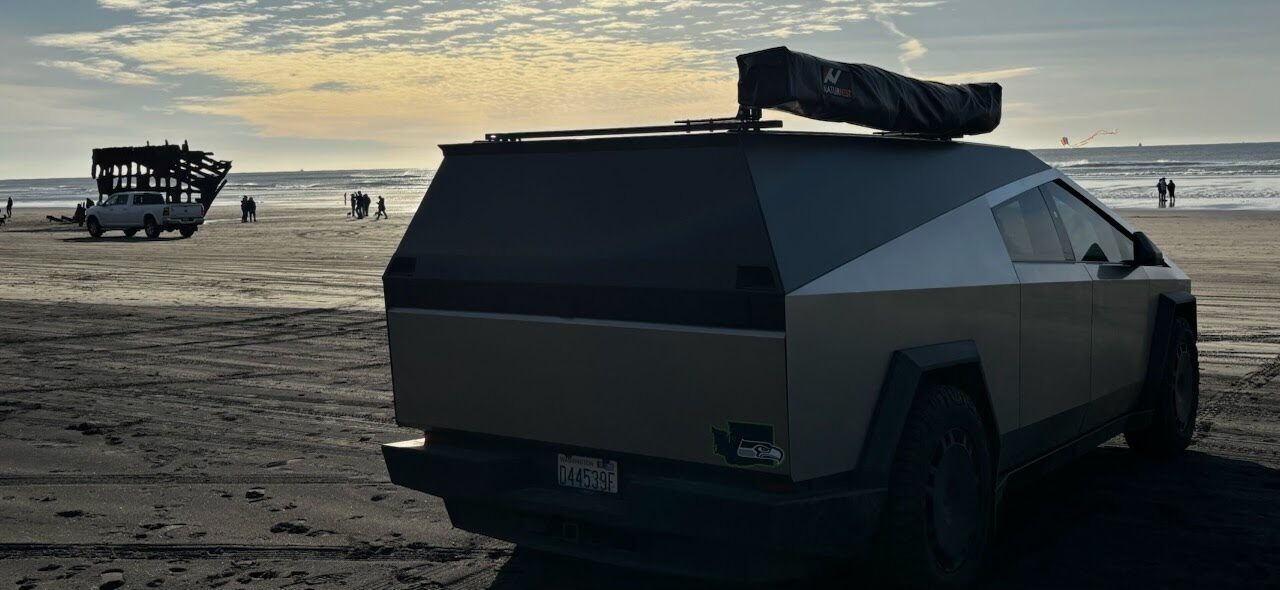
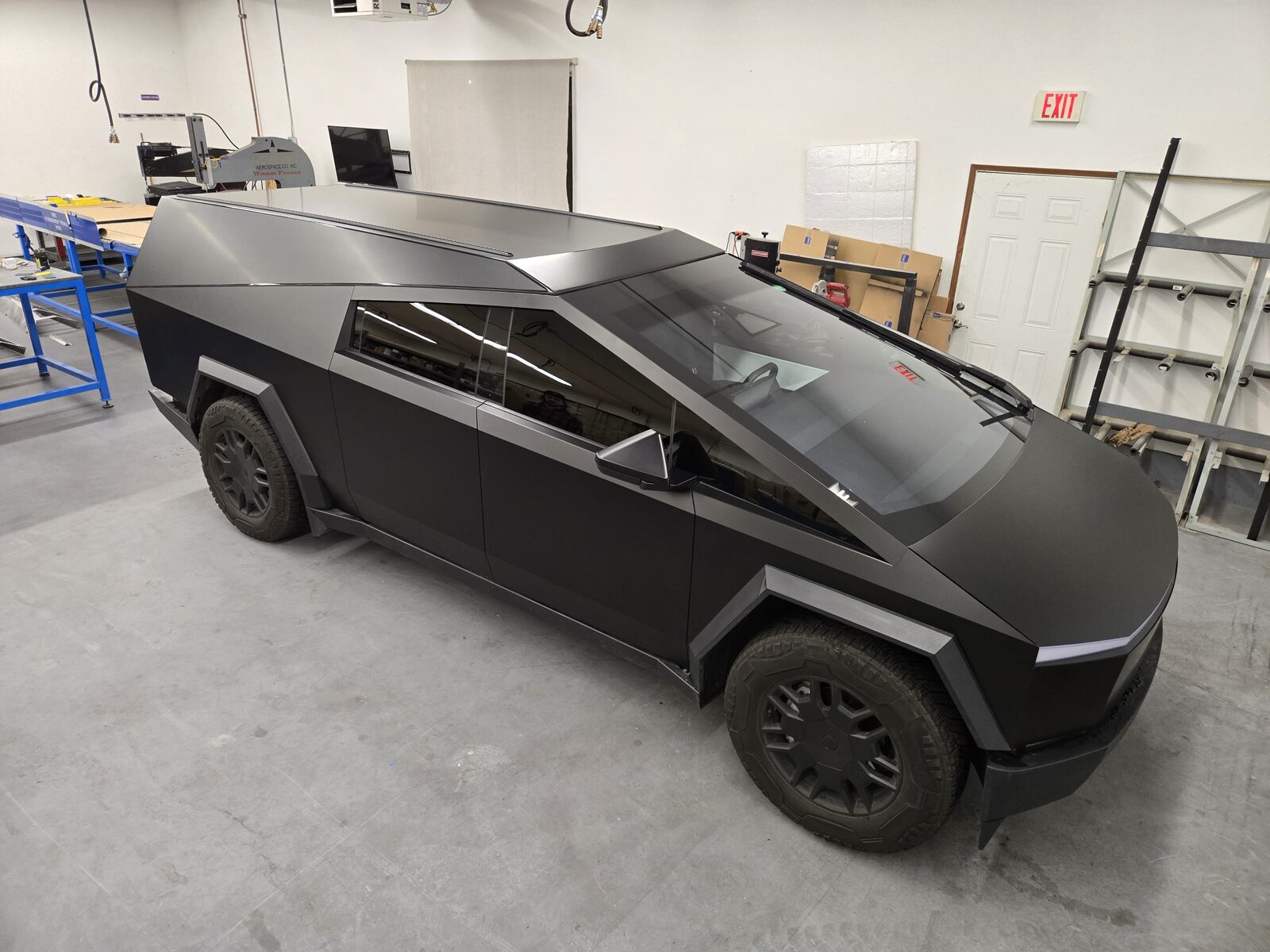
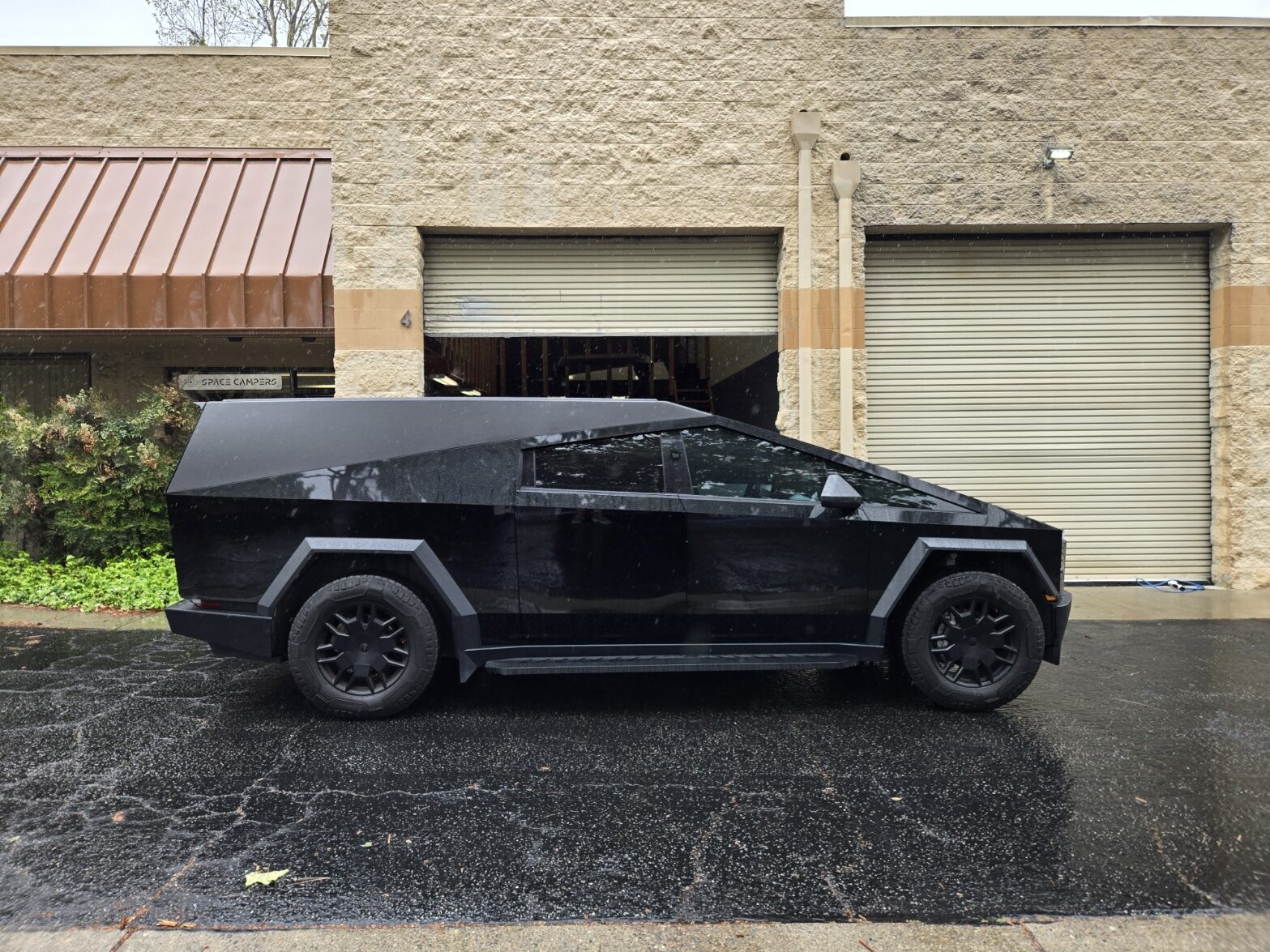
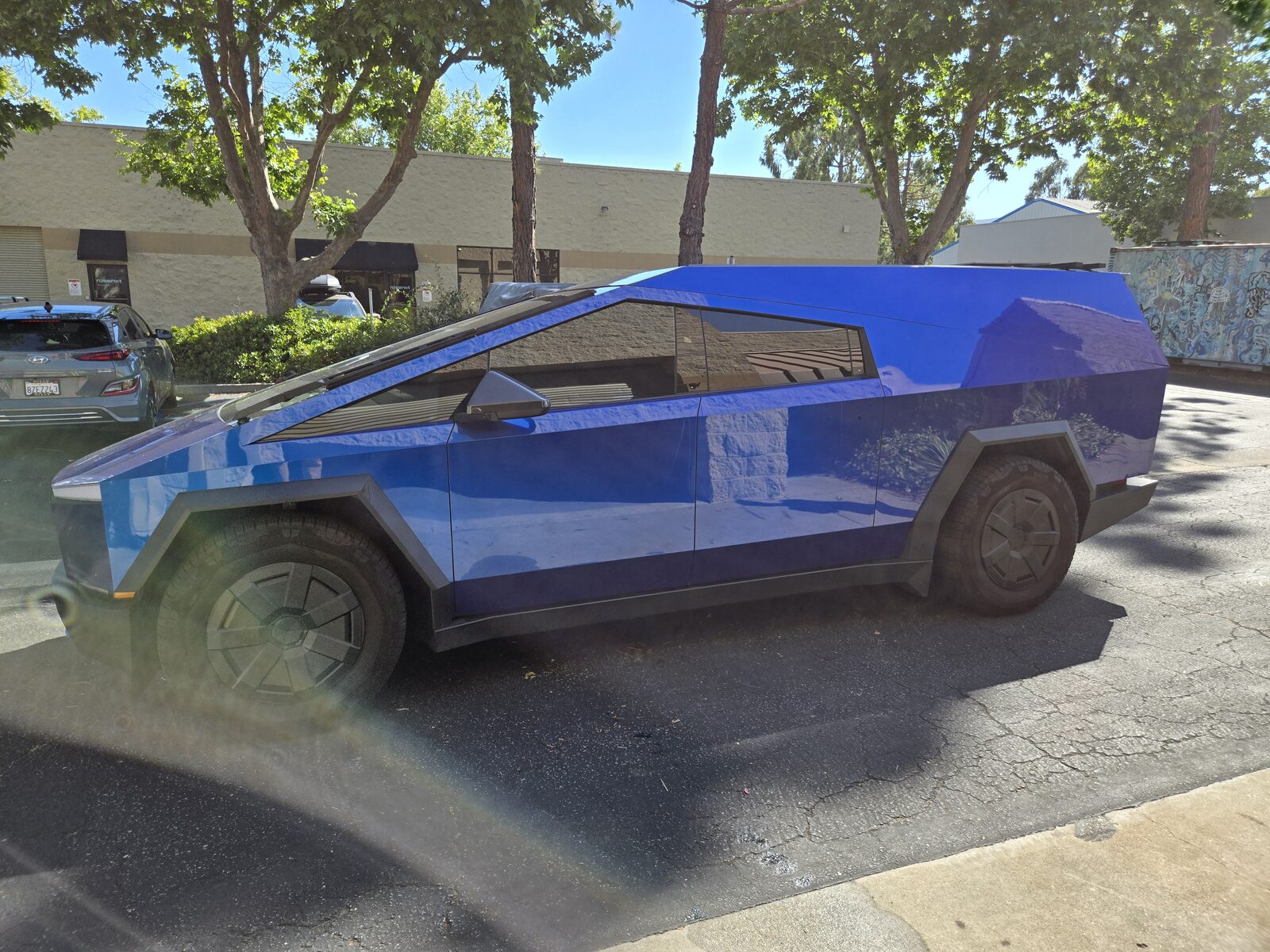
When the Cybertruck was announced, its geometry looked almost purpose-built
for a wedge camper — so I designed one. Working from a 3D scan and a
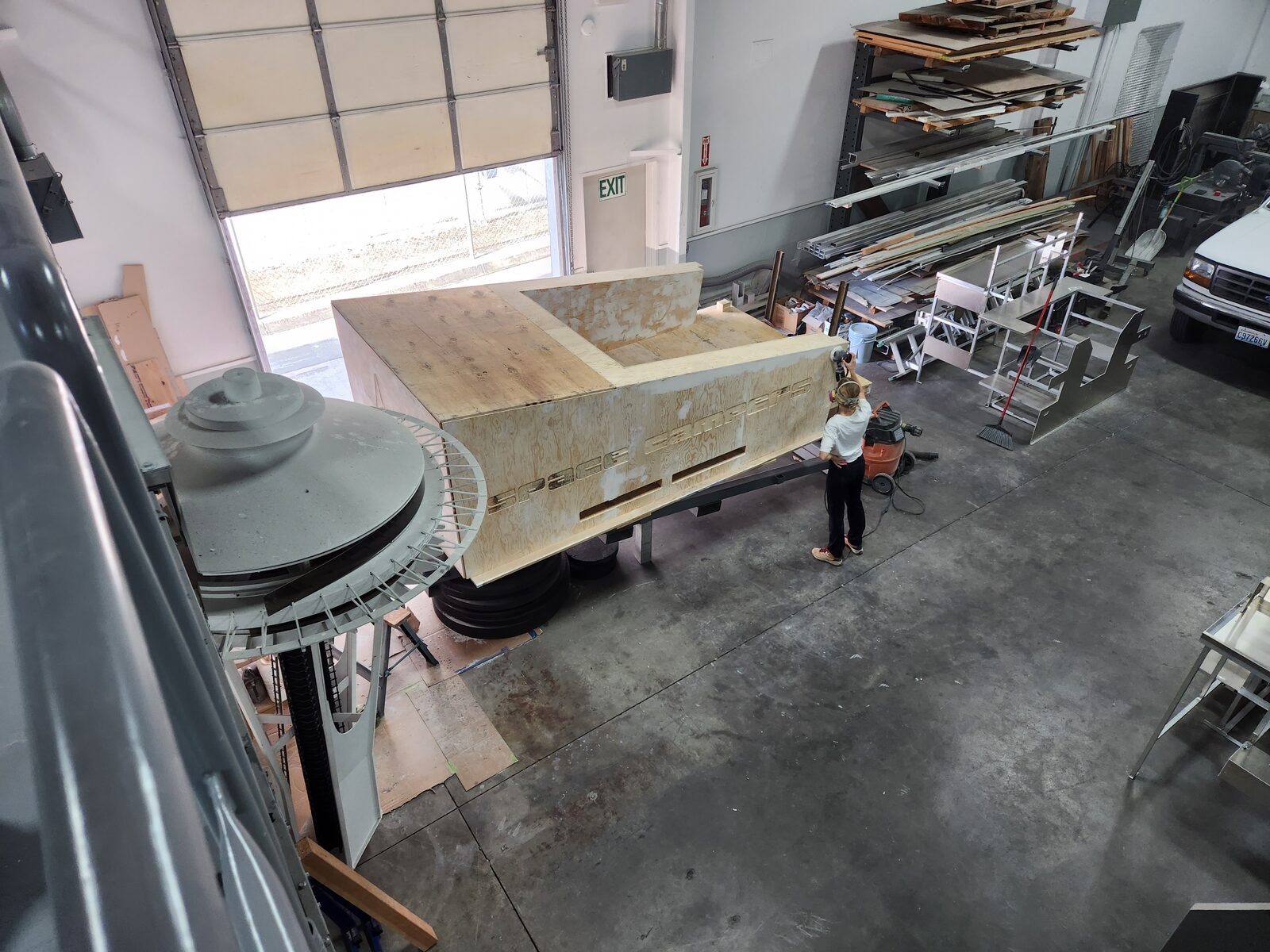
full-scale wooden mockup of the truck (Tesla doesn't hand out CAD files), I
modeled the camper in SolidWorks down to the last bolt, then built the
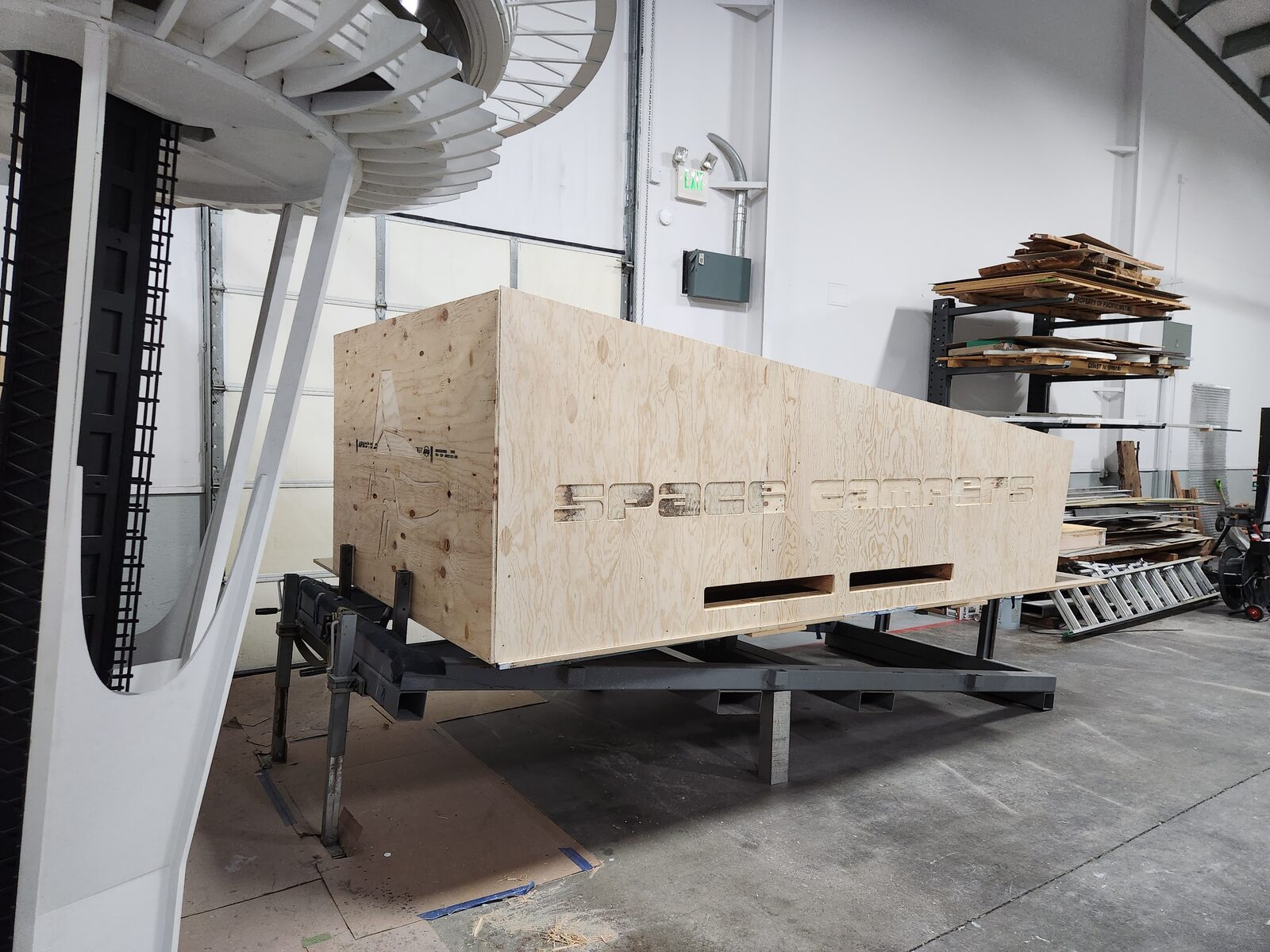
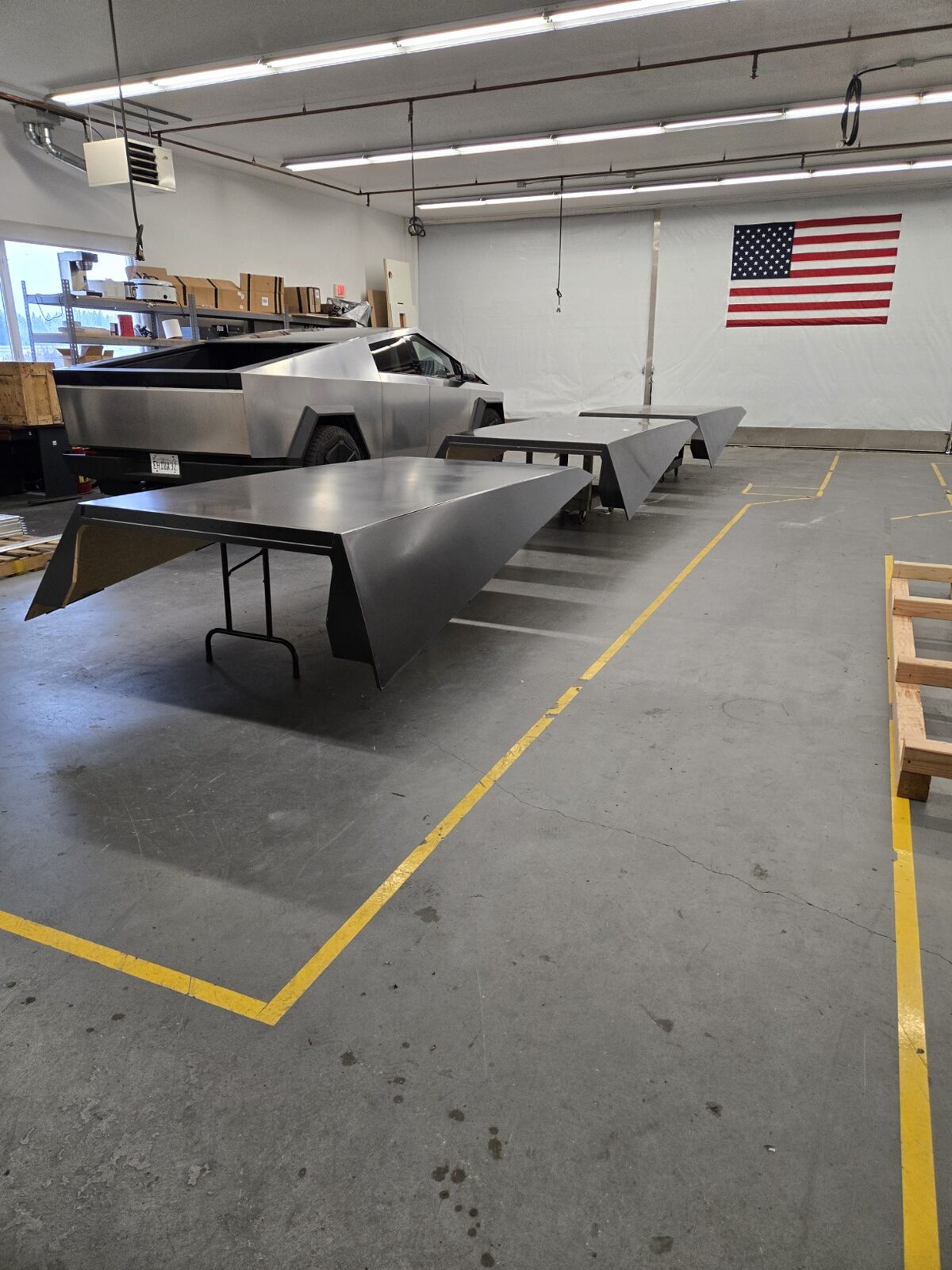
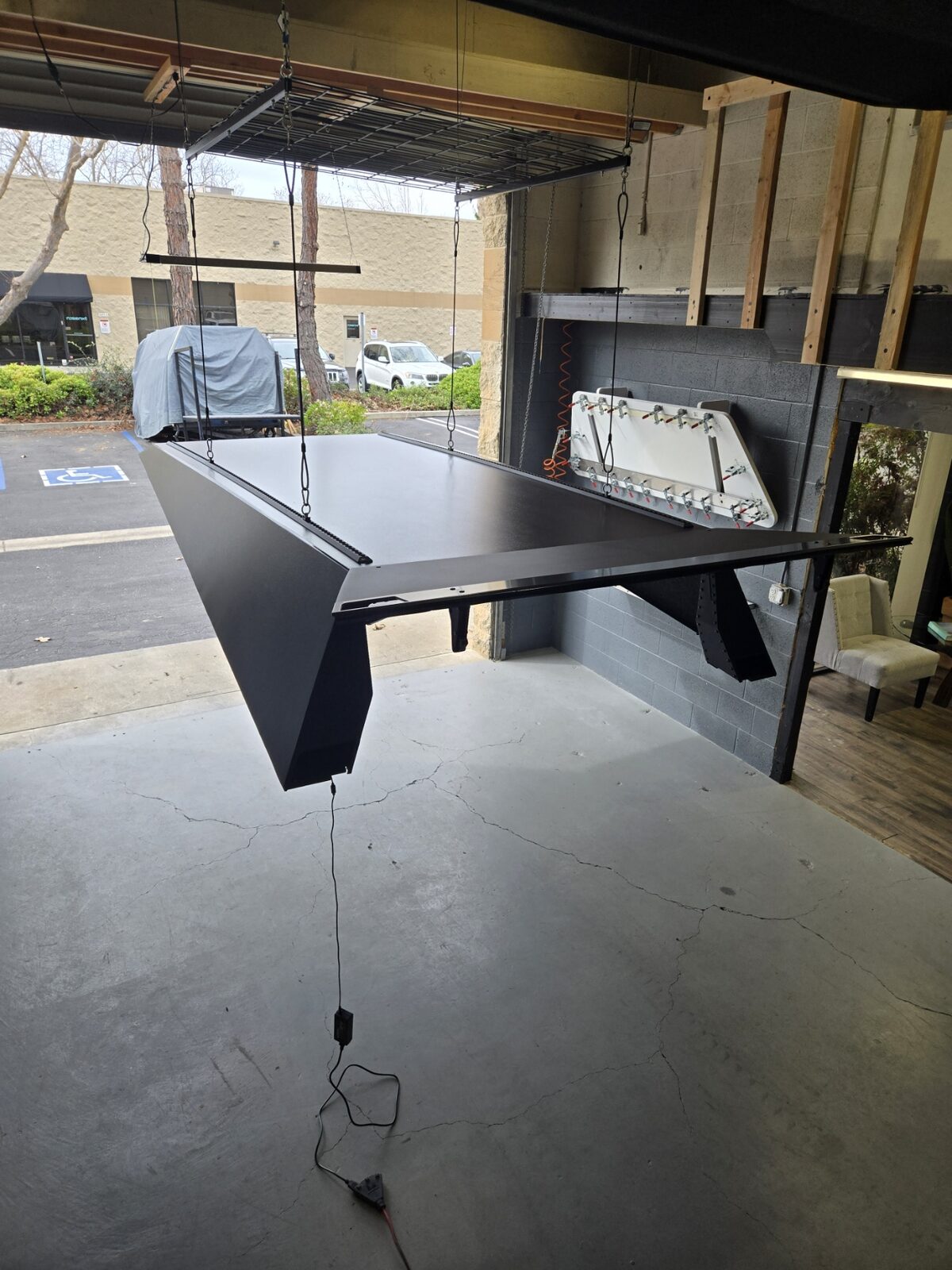
prototype the hard way: twelve-foot molds cut in sections on a 4×8 router,
assembled like a 3D puzzle, with fiberglass pulled from MDF forms.
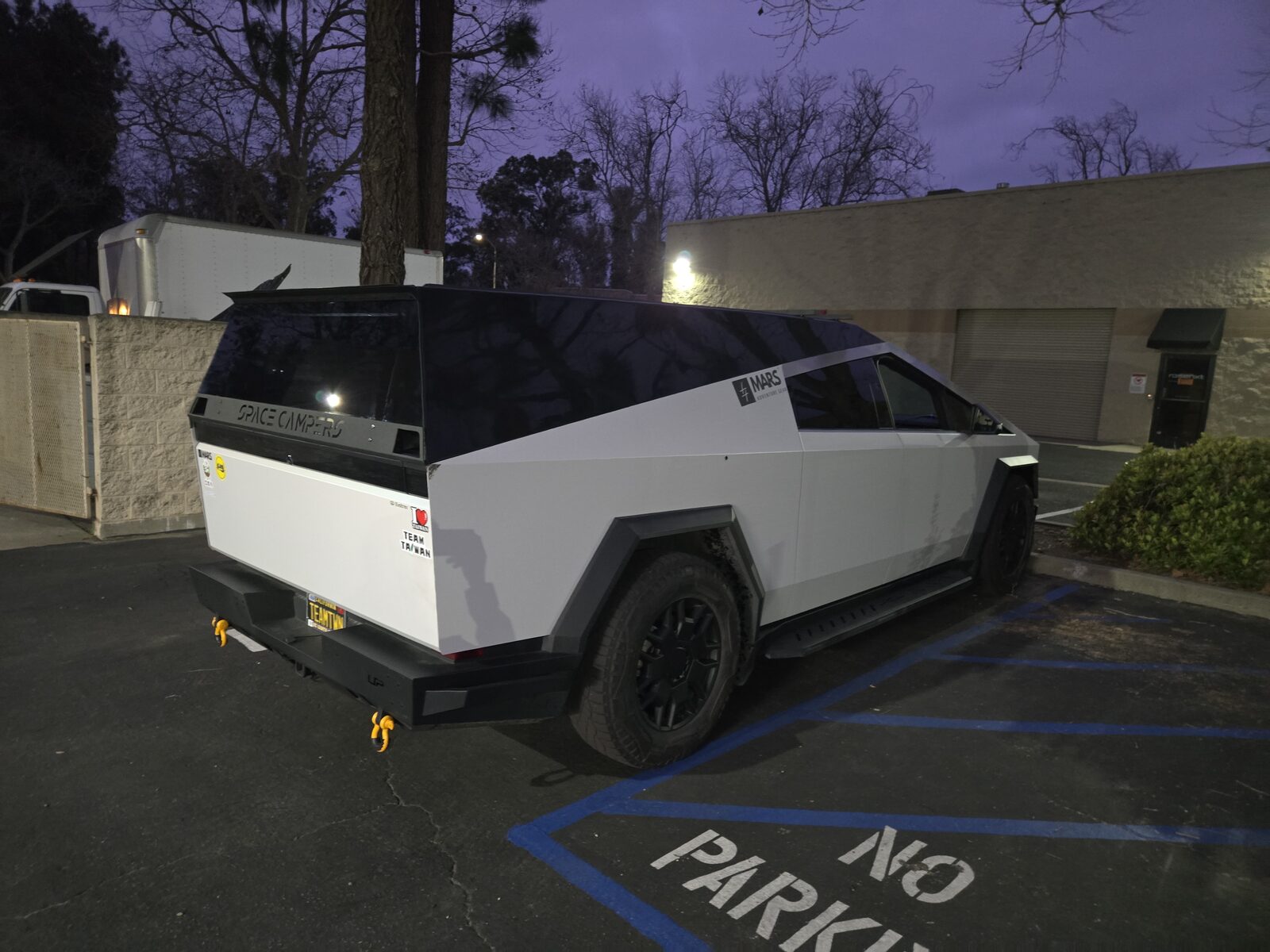
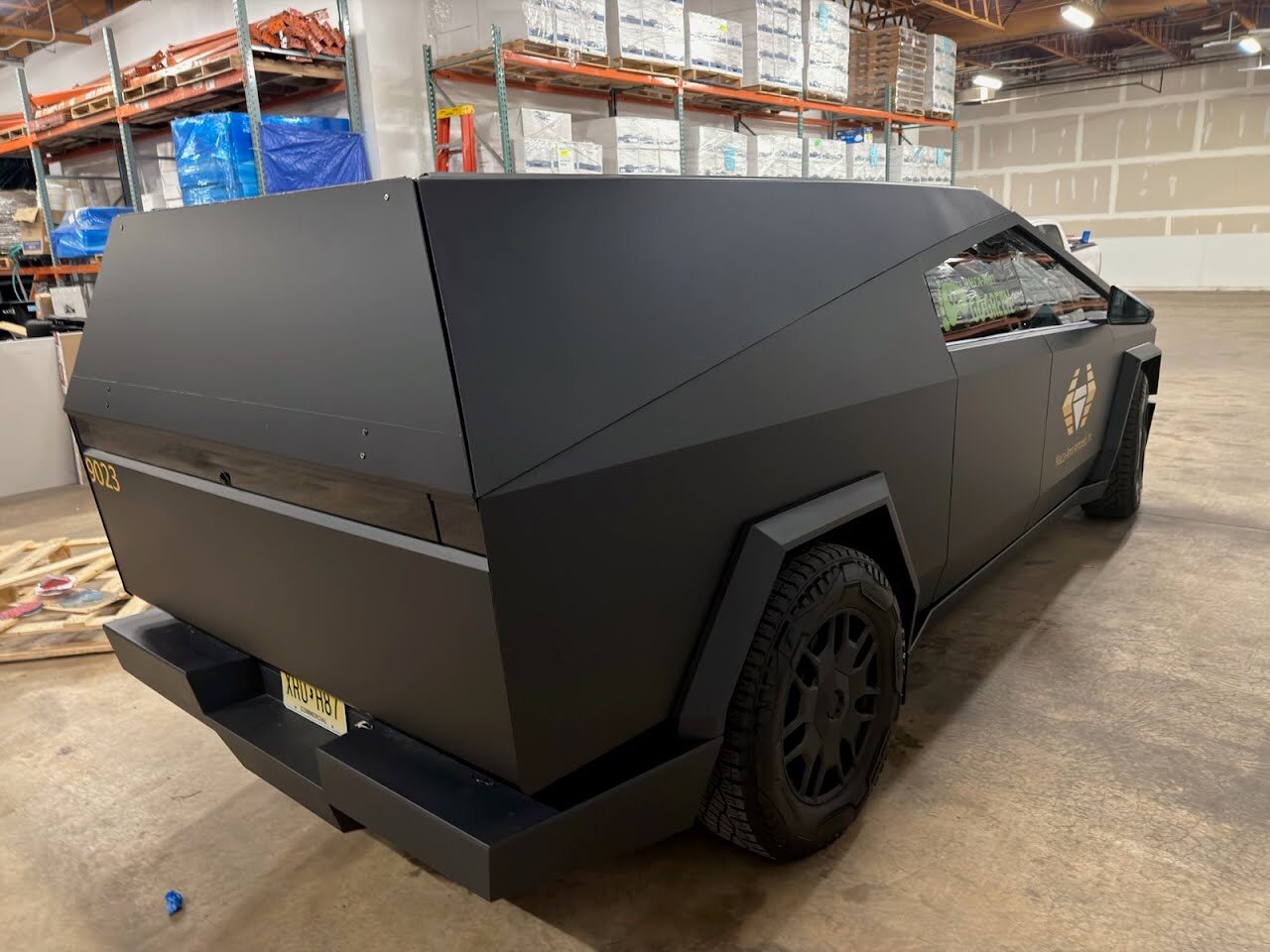
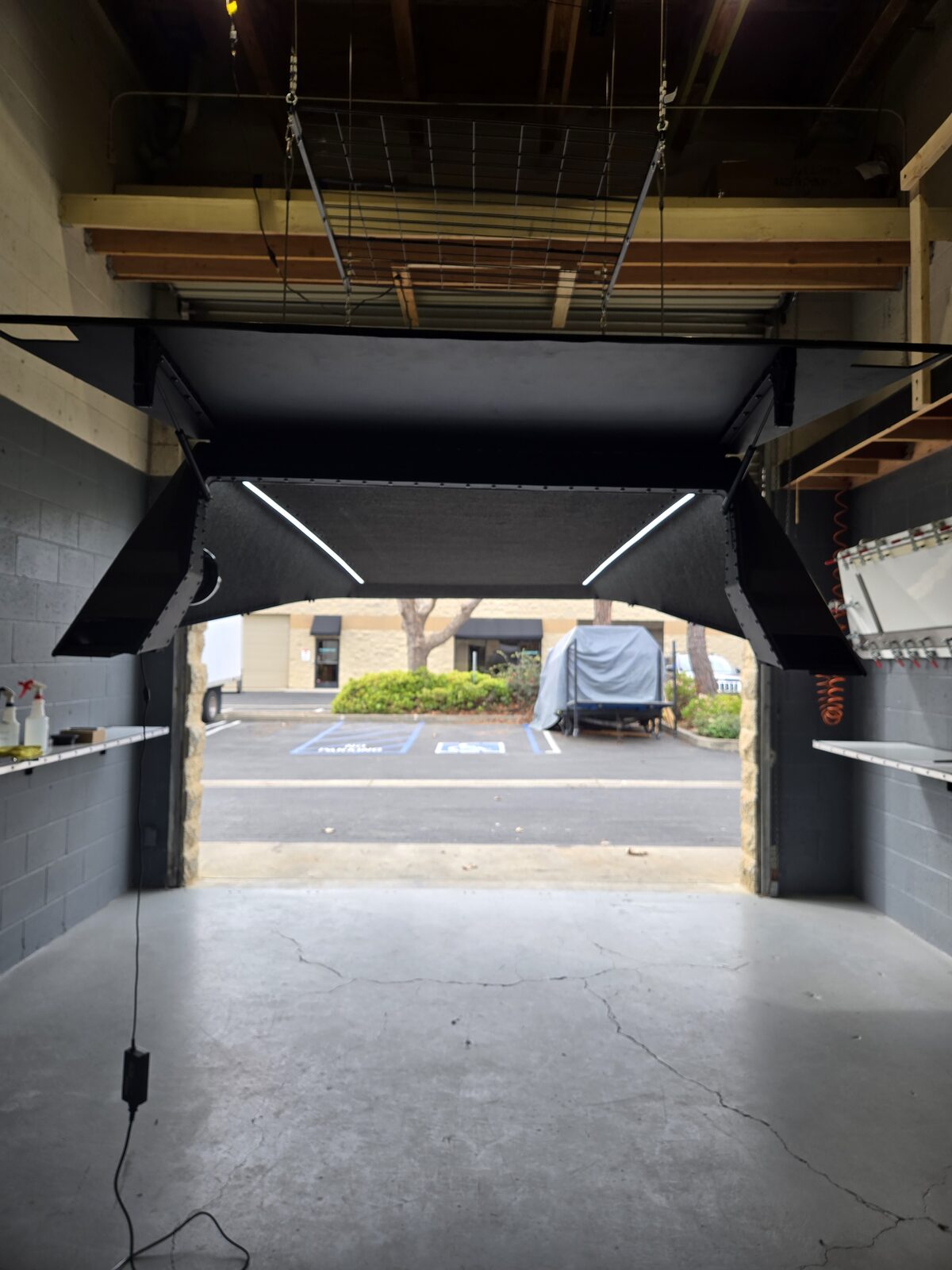
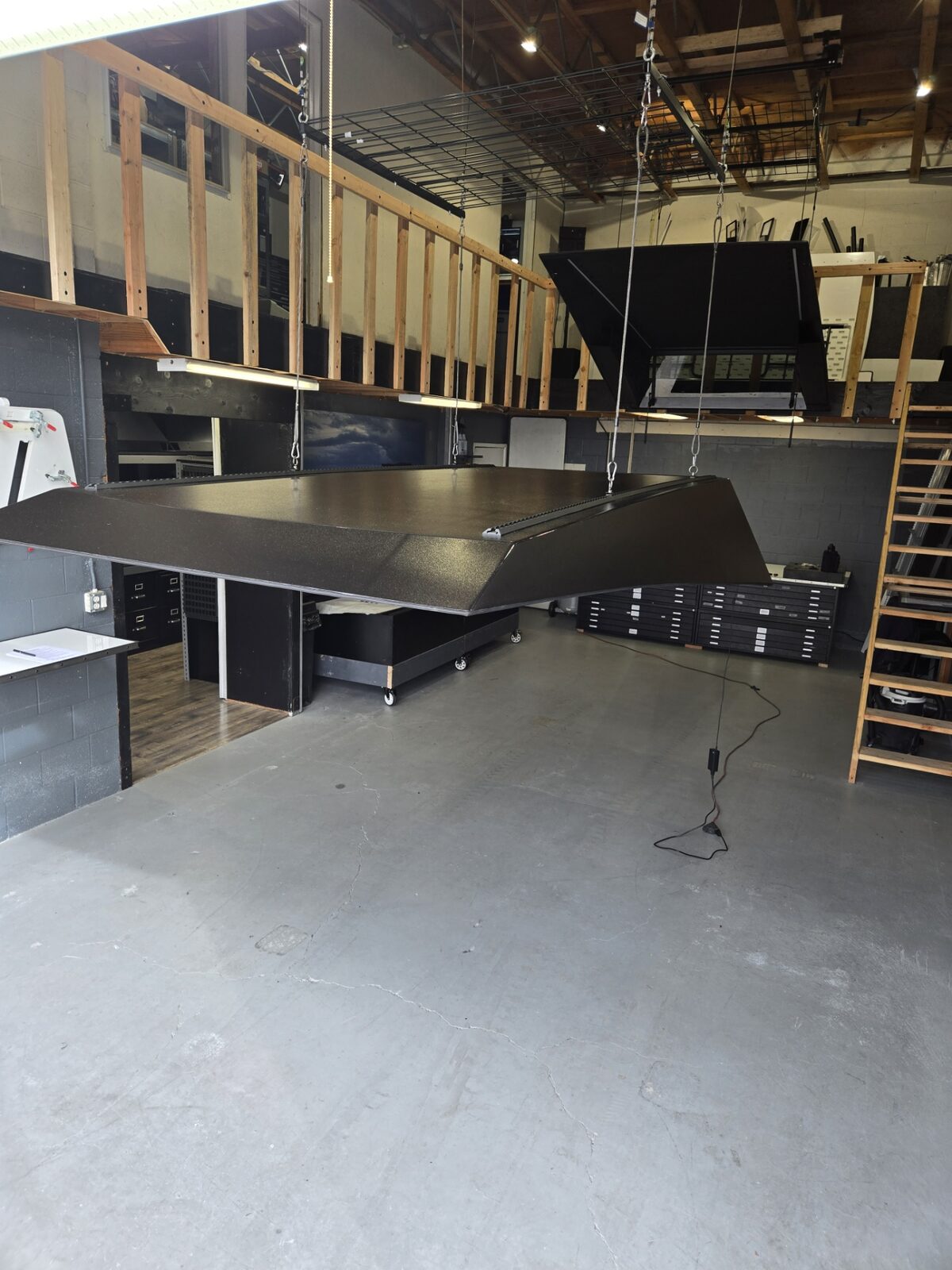
That became The Cap — a composite truck topper we took to production. The
company is winding down in 2026; the product worked, the manufacturing
economics didn't, and I'll be honest about both. It's still the most
complete thing I've built — design, engineering, fabrication, brand, and
fundraising all came out of this one shop.
The product
Additional Media Content
The caps we built
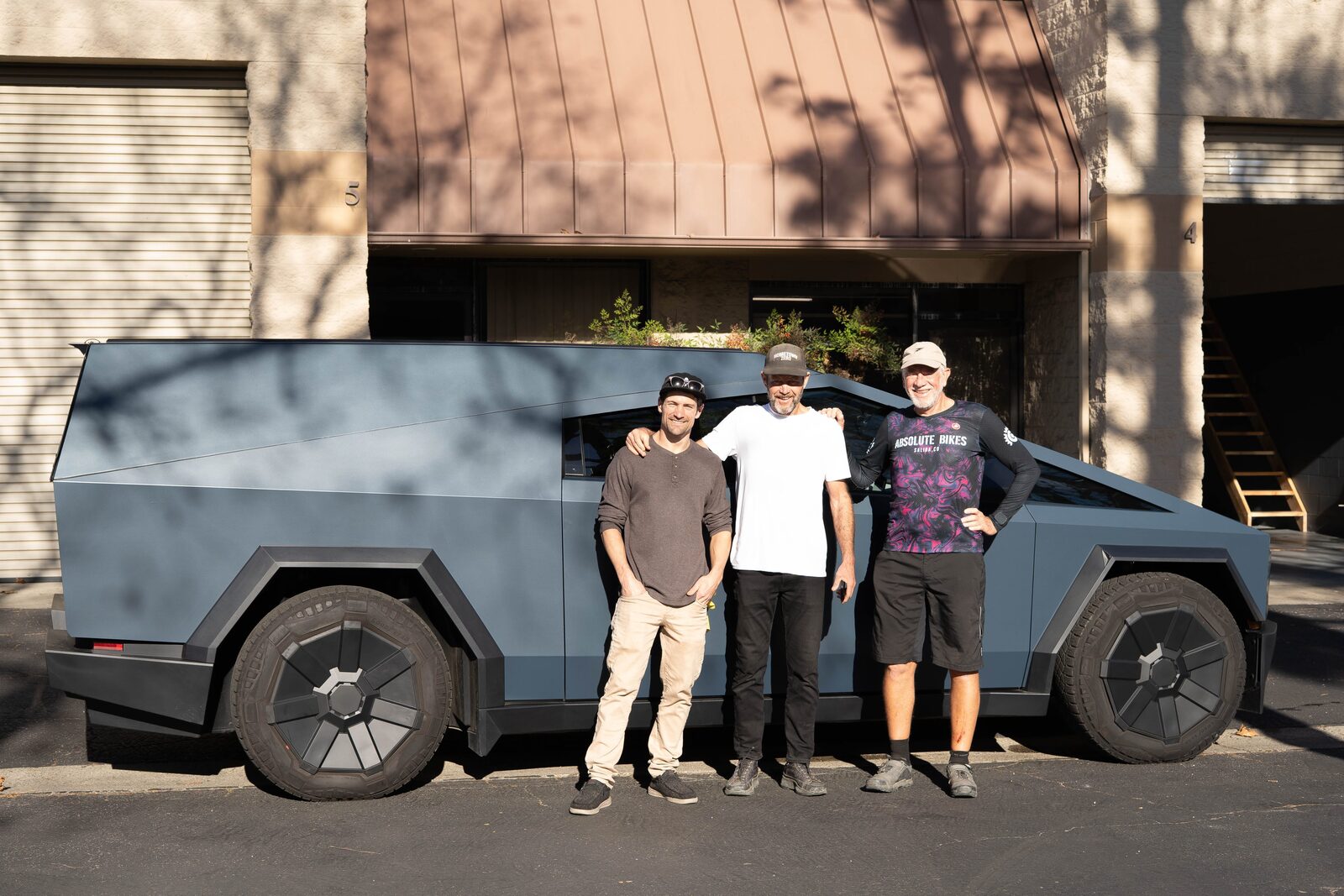
On the Washington coast — rooftop tent up, sun going down.Matte black, clean in the shop.Gloss black, out front.A cobalt-blue build — no two finishes alike.White and branded, at dusk.Another one out the door.The team behind it.
The build
The shell on the jig.Built by hand in the shop.Cap forms taking shape.Integrated LED lighting.Mid-build on the floor.Hatch open at the bay door.
Business Partner · Beverage Manufacturing · San Luis Obispo, CA
I didn't start Whalebird — by the time I came on, the founders had a garage
operation in their first building, and my job was to turn it into a real
industrial process. We took over a chain of warehouses one building at a
time, blowing holes in the walls and rebuilding as we grew. The ceilings
were sixteen feet, so we went vertical and used every inch.
By the end we'd taken over five buildings, turned two of them into drive-in
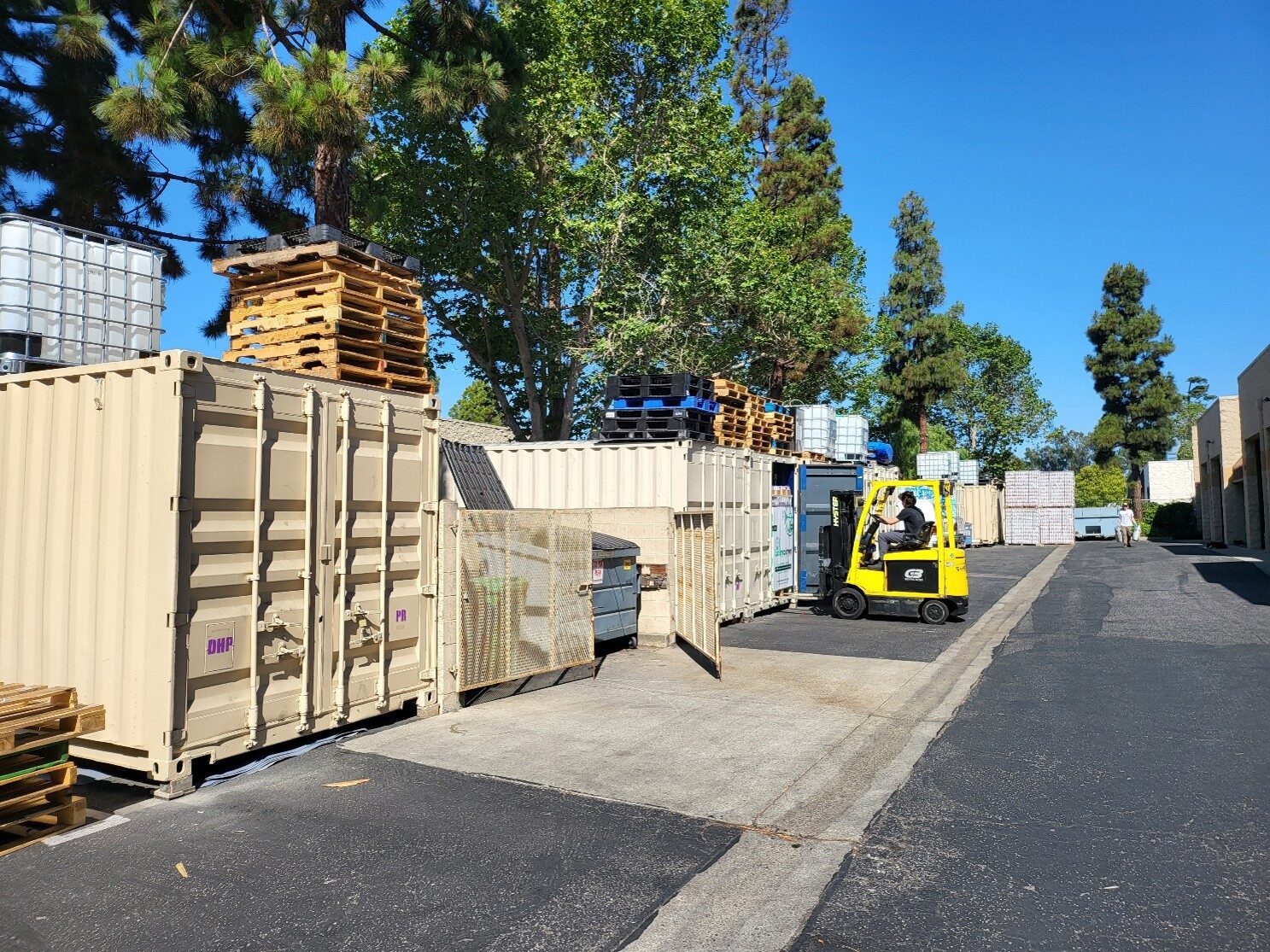
fridges a forklift could pull into, and parked eight shipping containers out
back for equipment. At its peak the operation moved around twenty-five
hundred kegs a month with about twenty employees.
Building the brewery
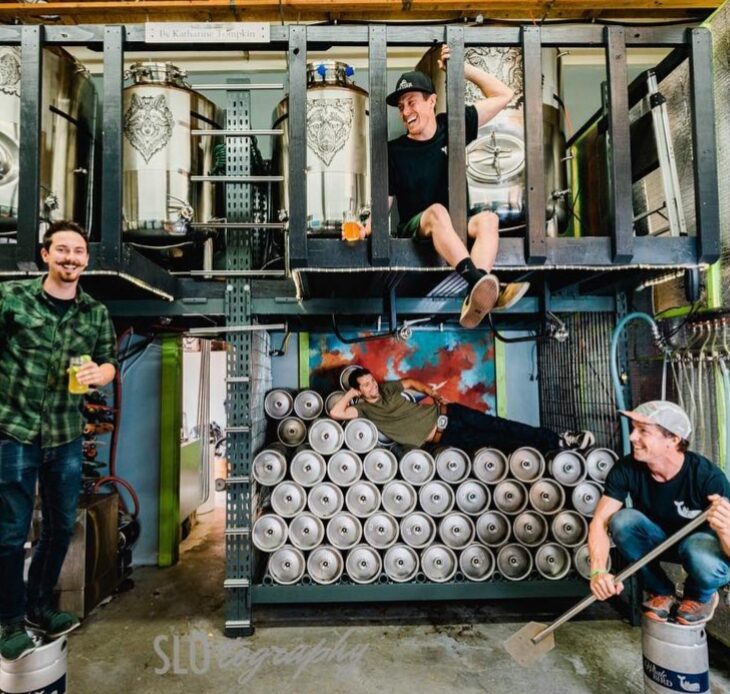
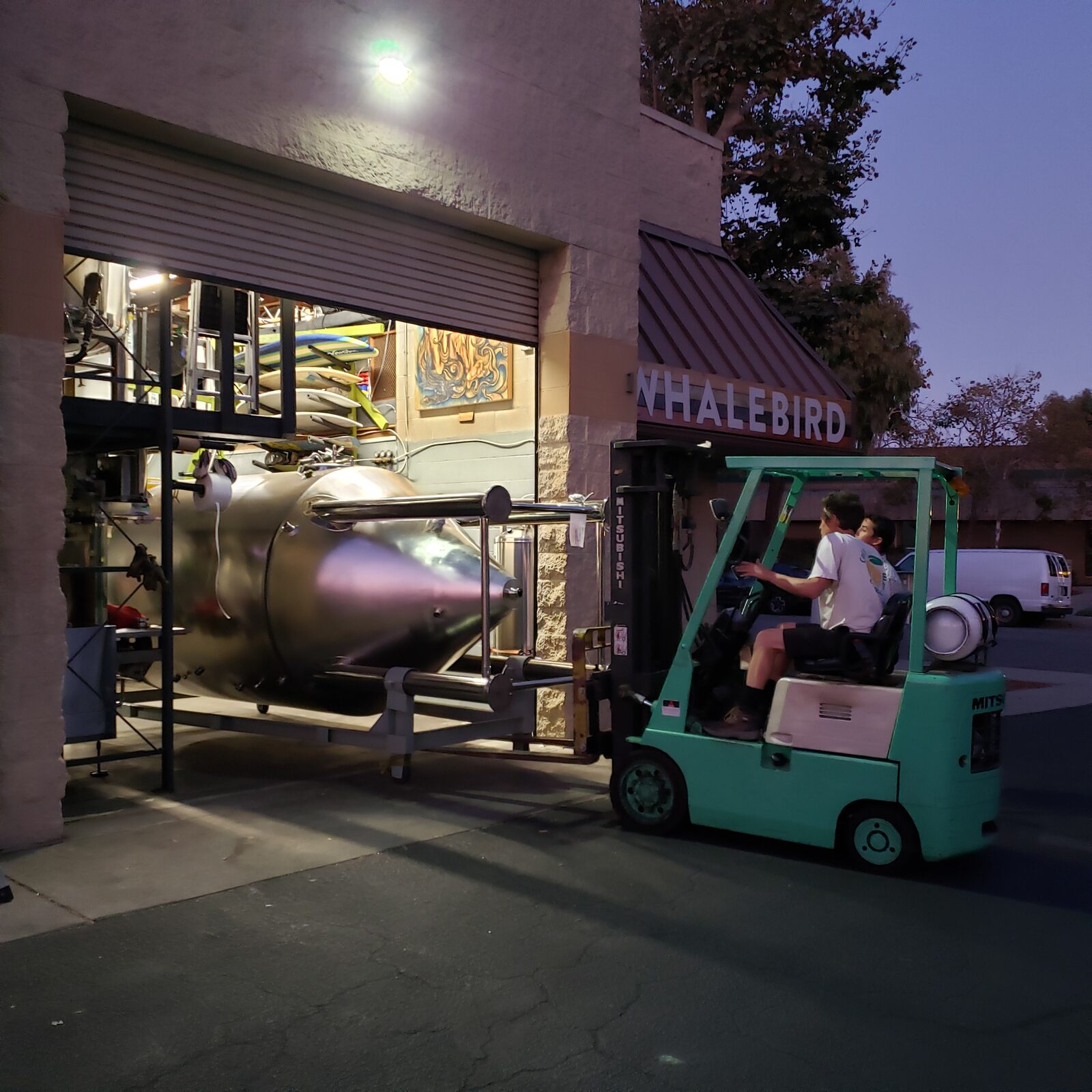
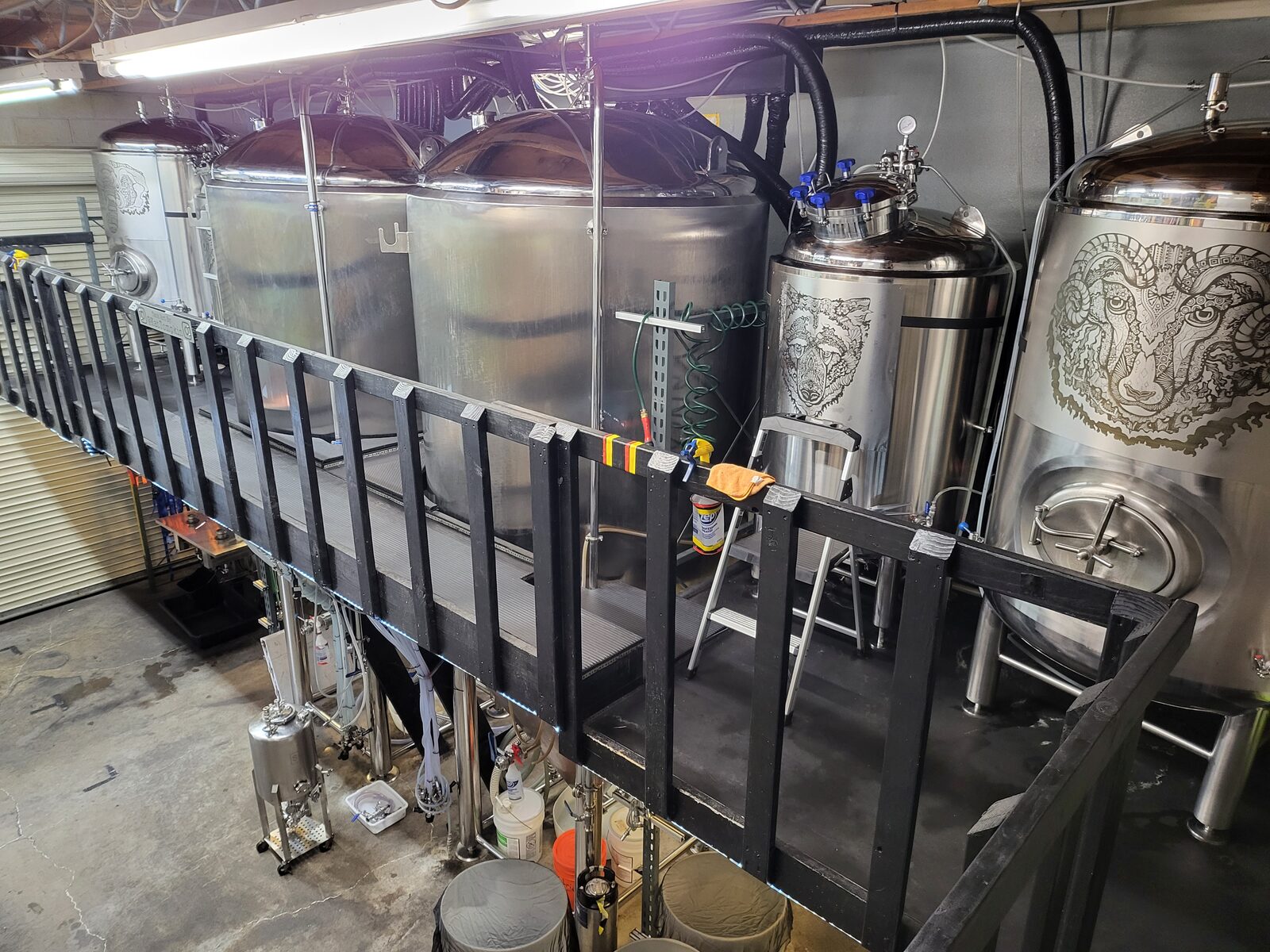
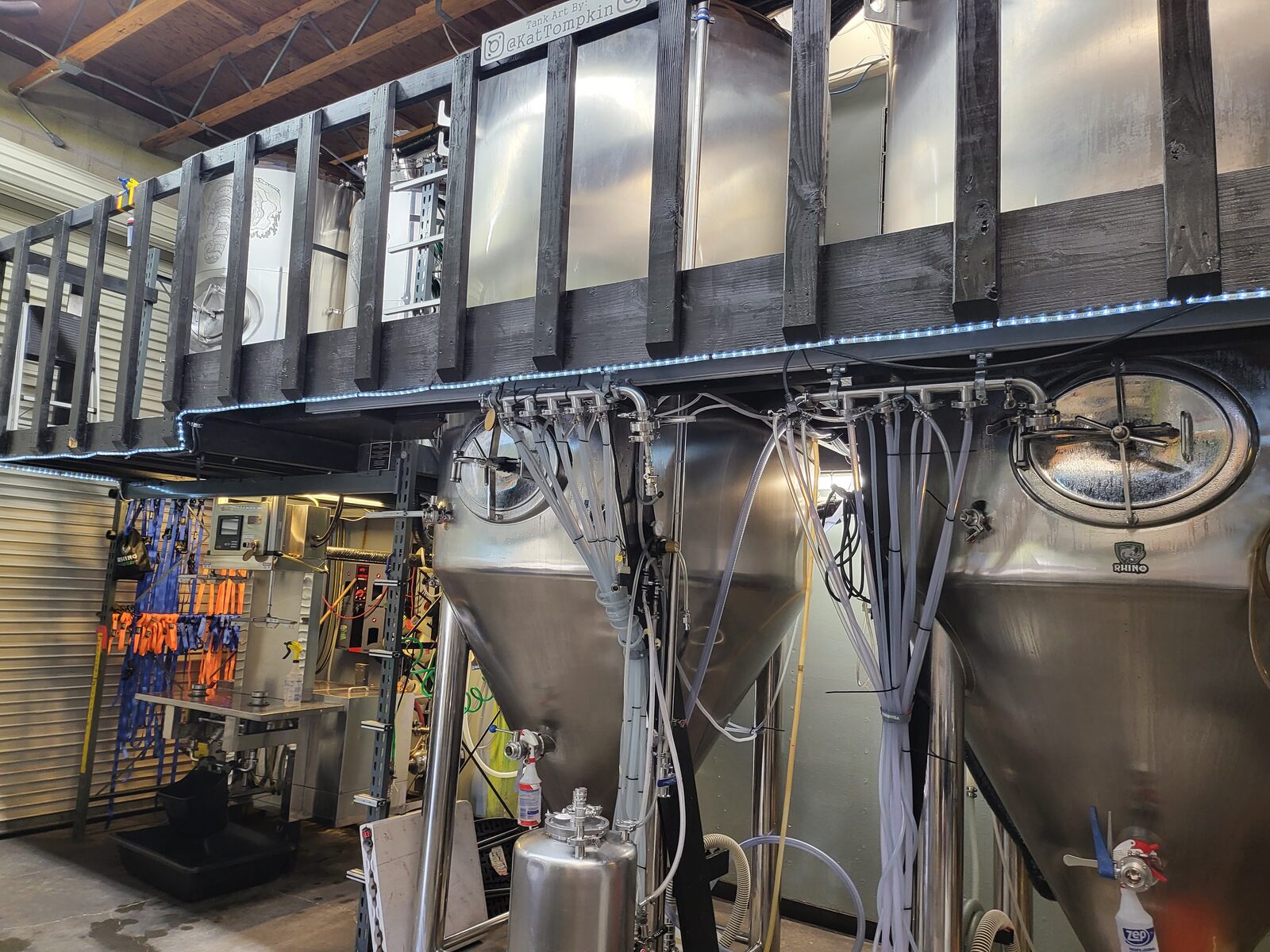
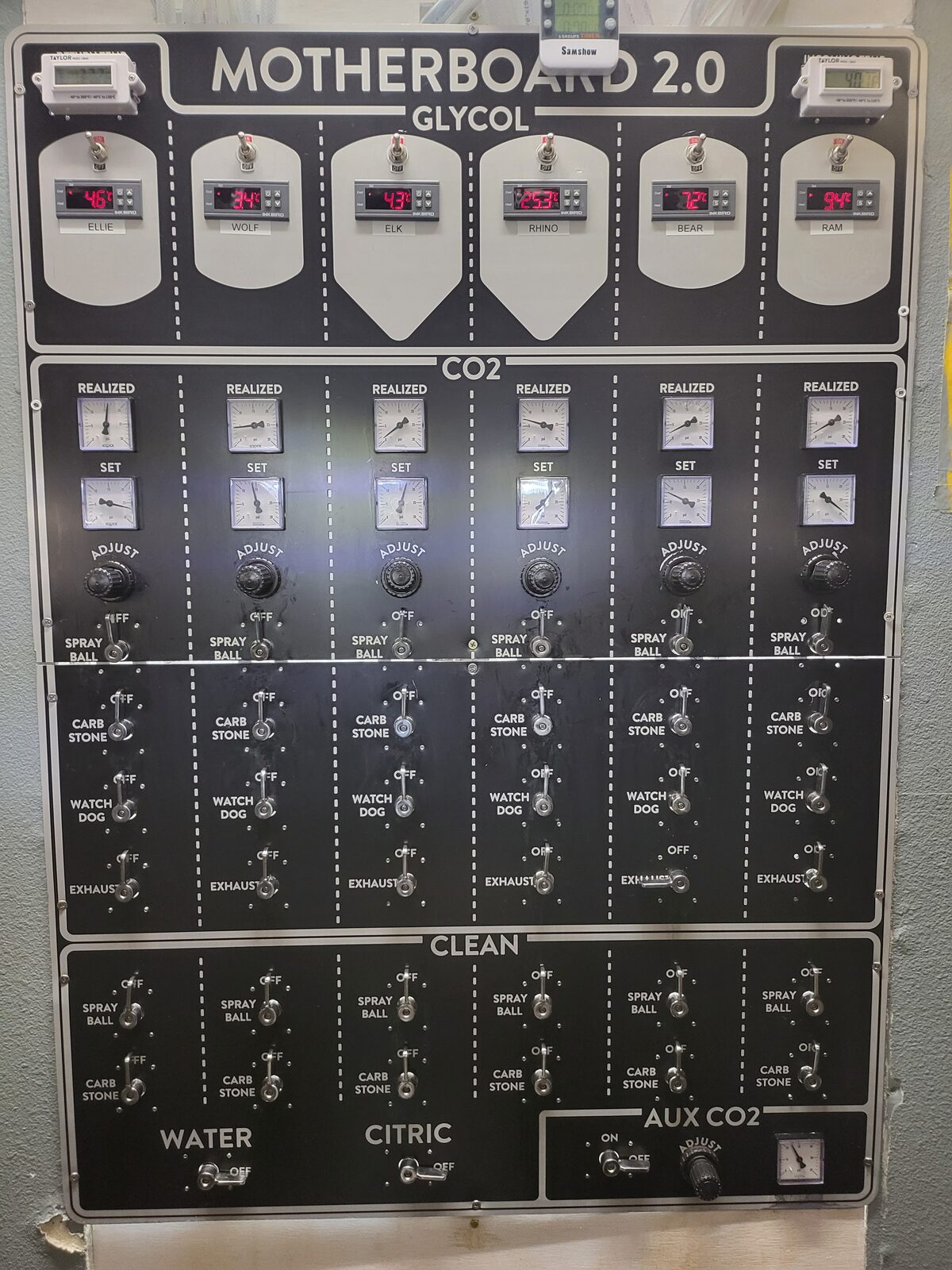
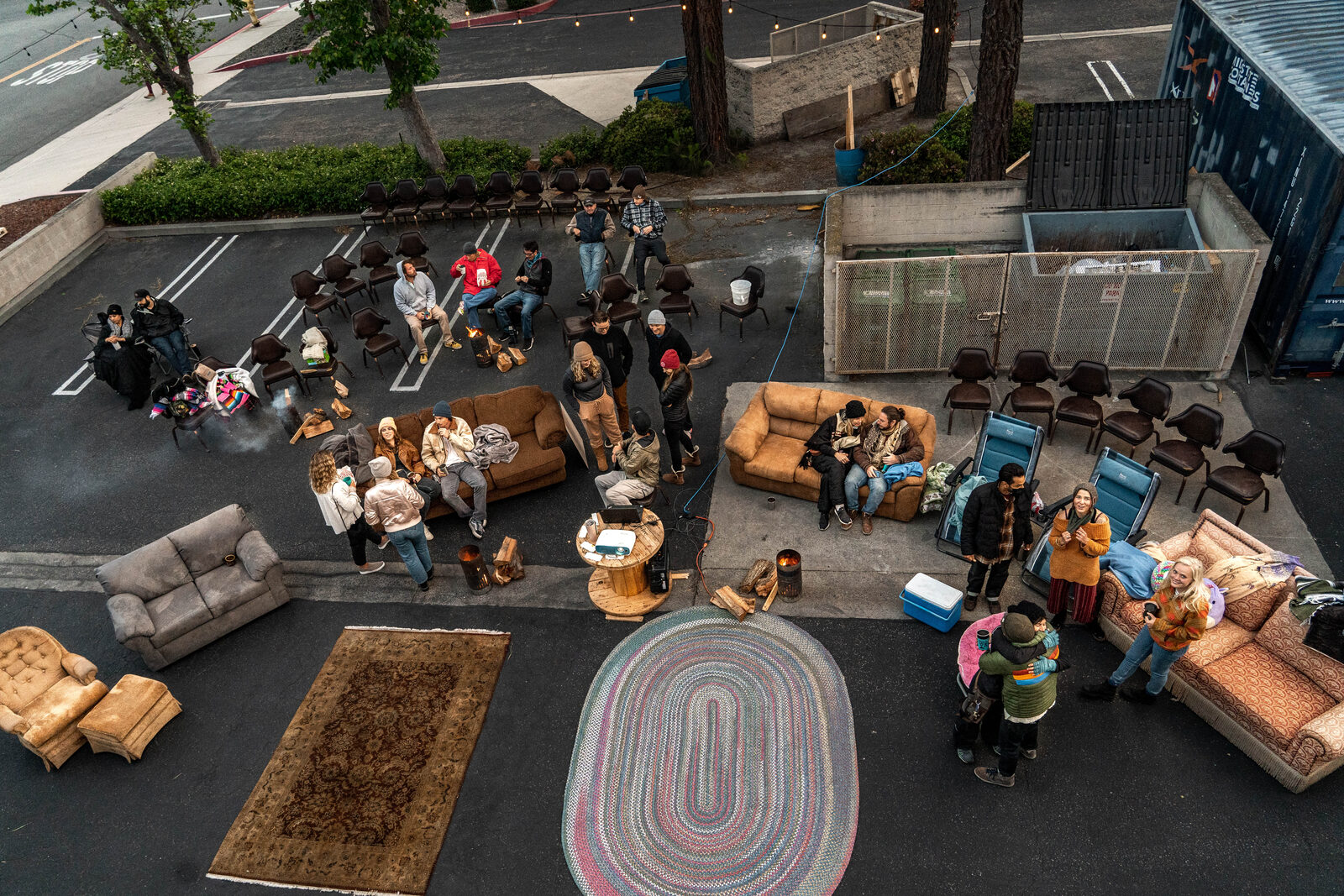
The crew, in the finished brewery.Moving a tank in at dusk.The fermentation row.Conditioning tanks and process lines."Motherboard 2.0" — the custom panel for glycol, CO2, and cleaning.The yard — shipping containers for overflow.An outdoor gathering — the brand was half the work.
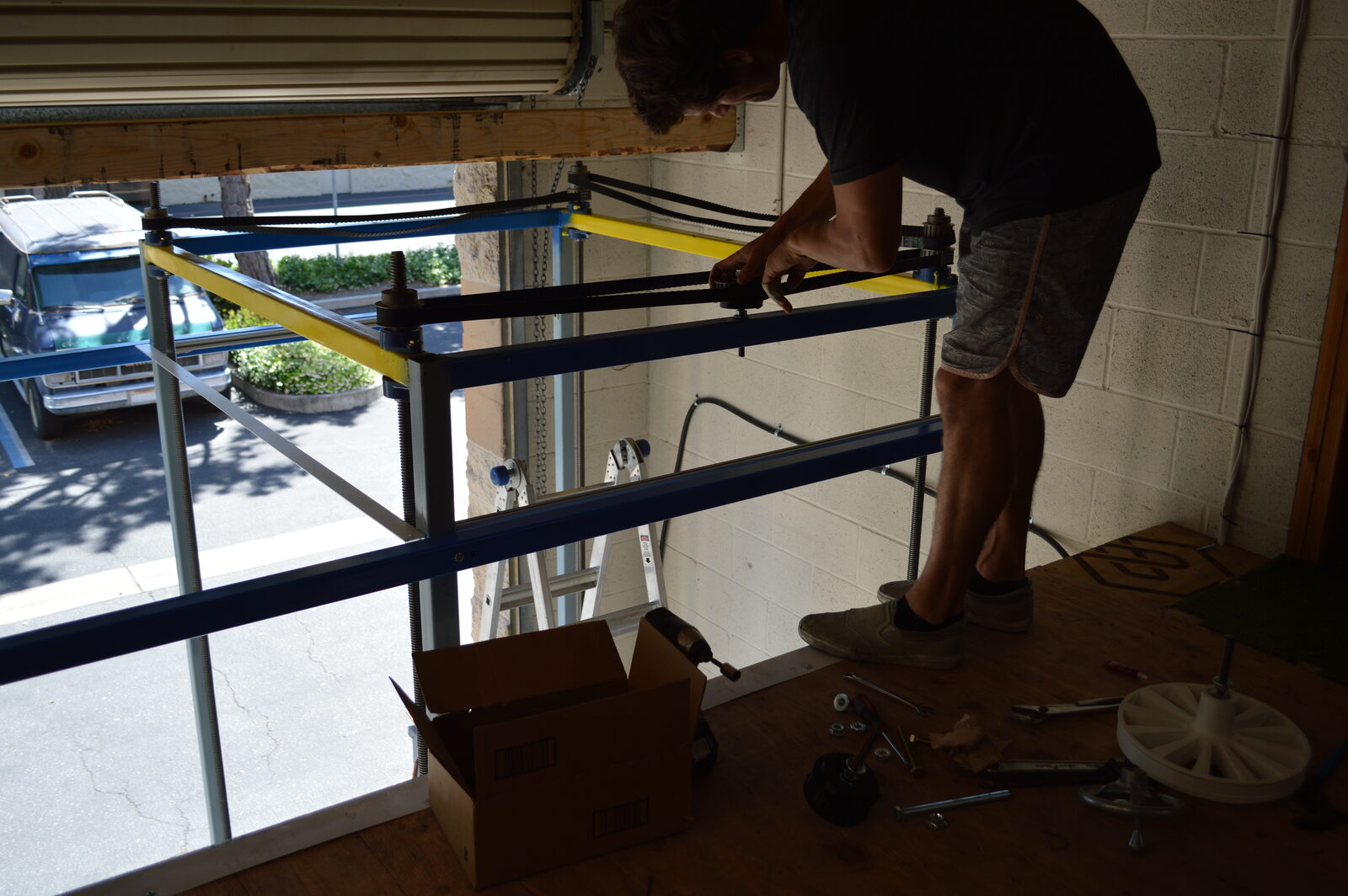
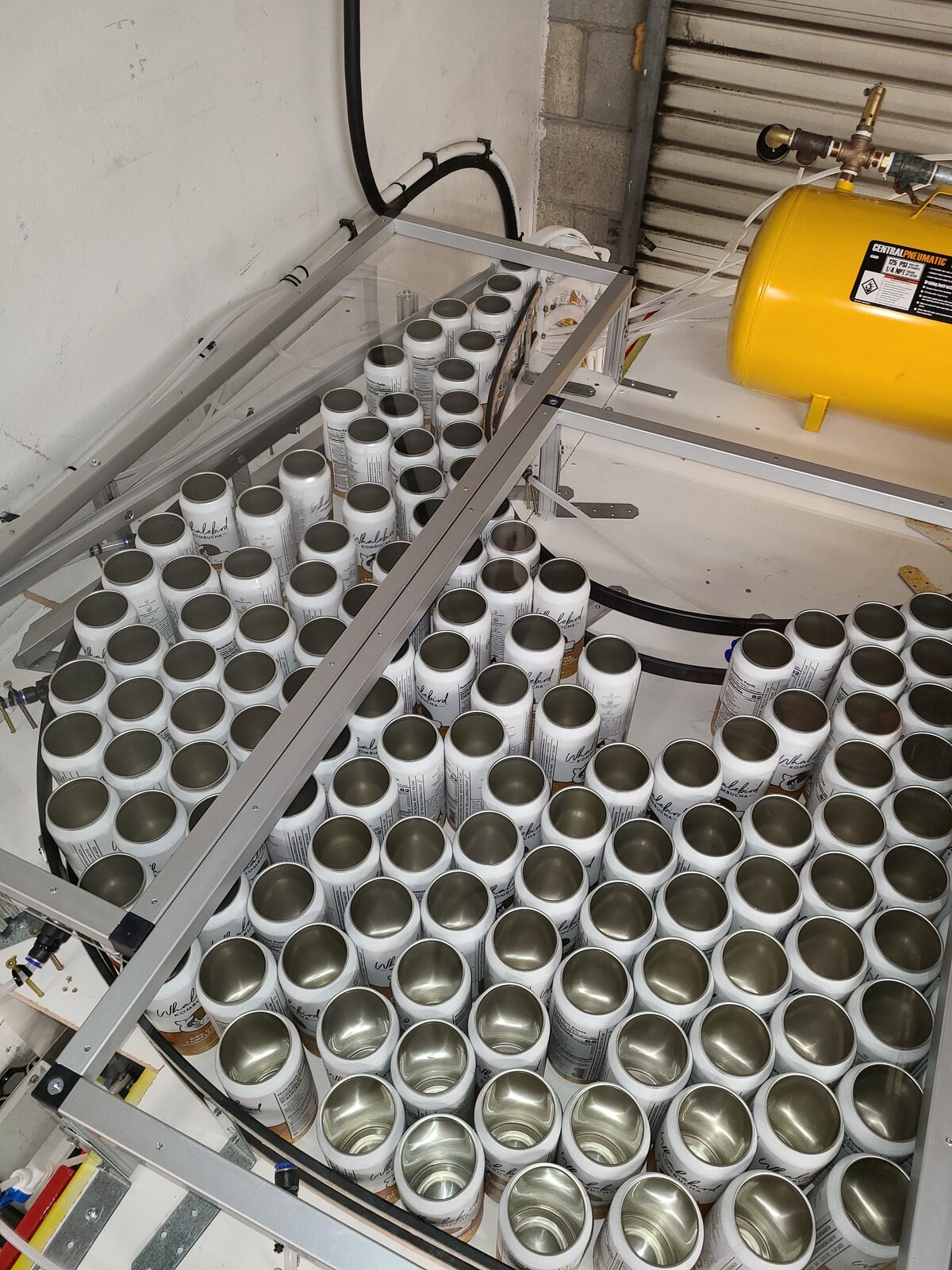
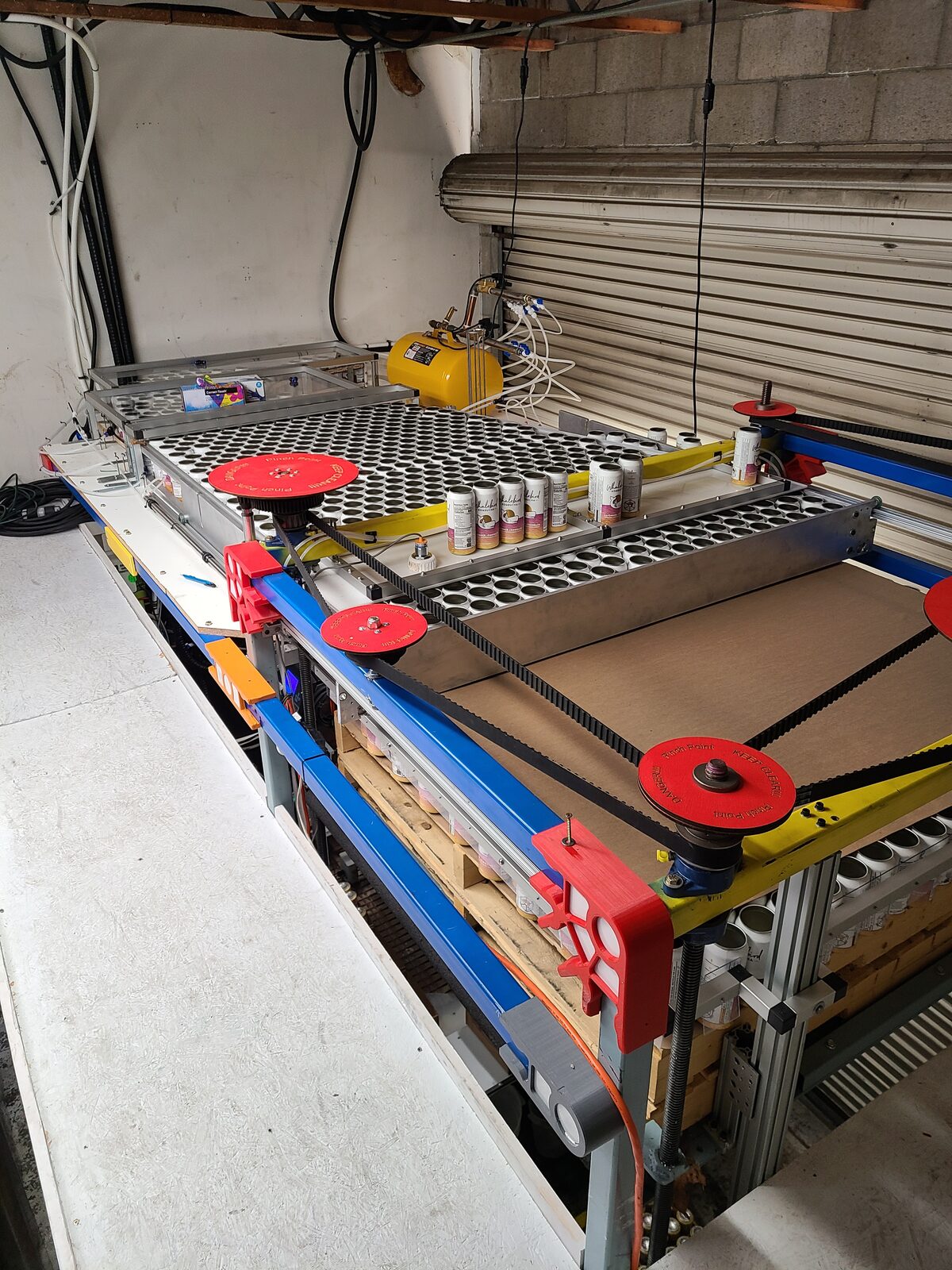
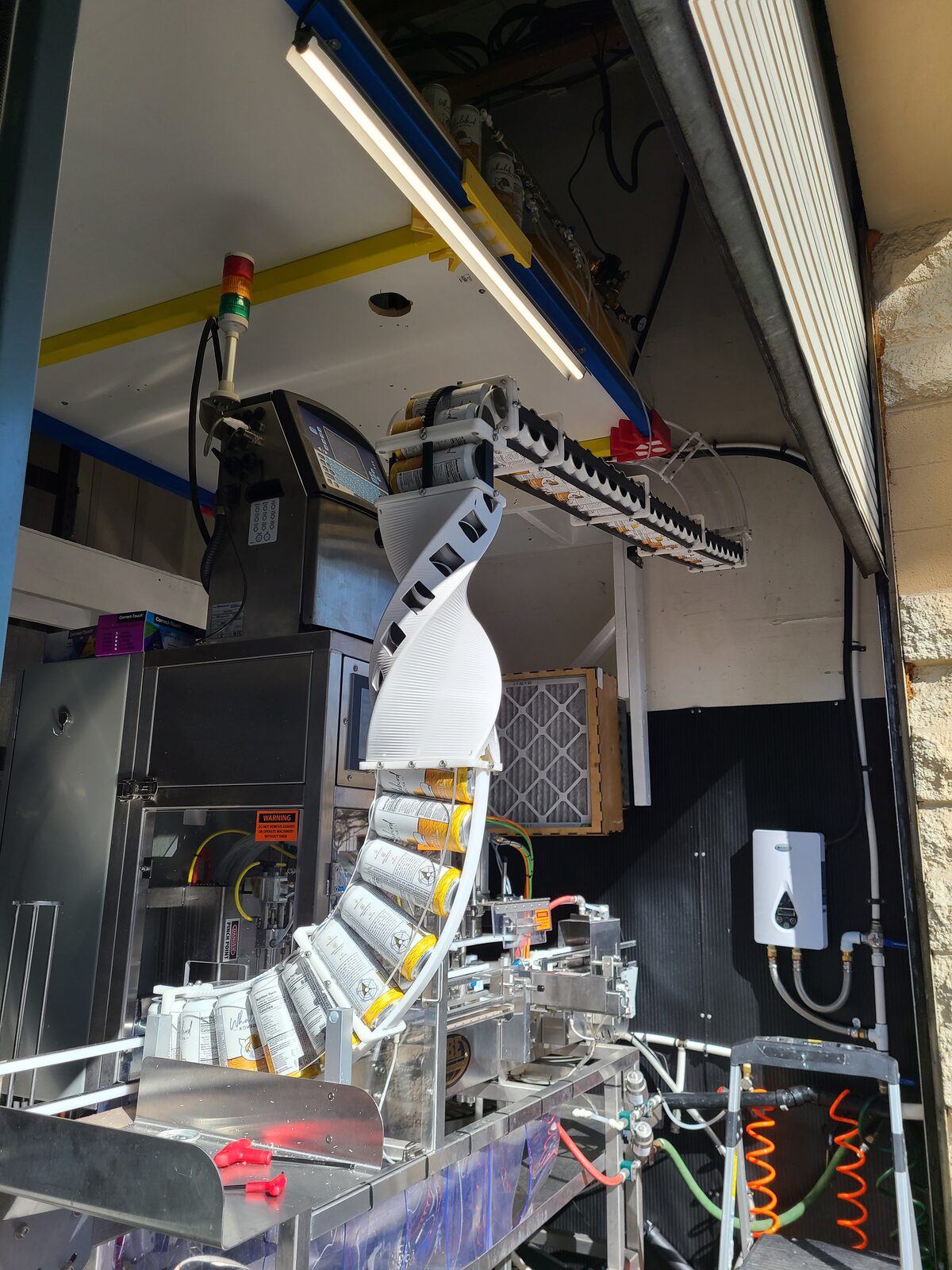
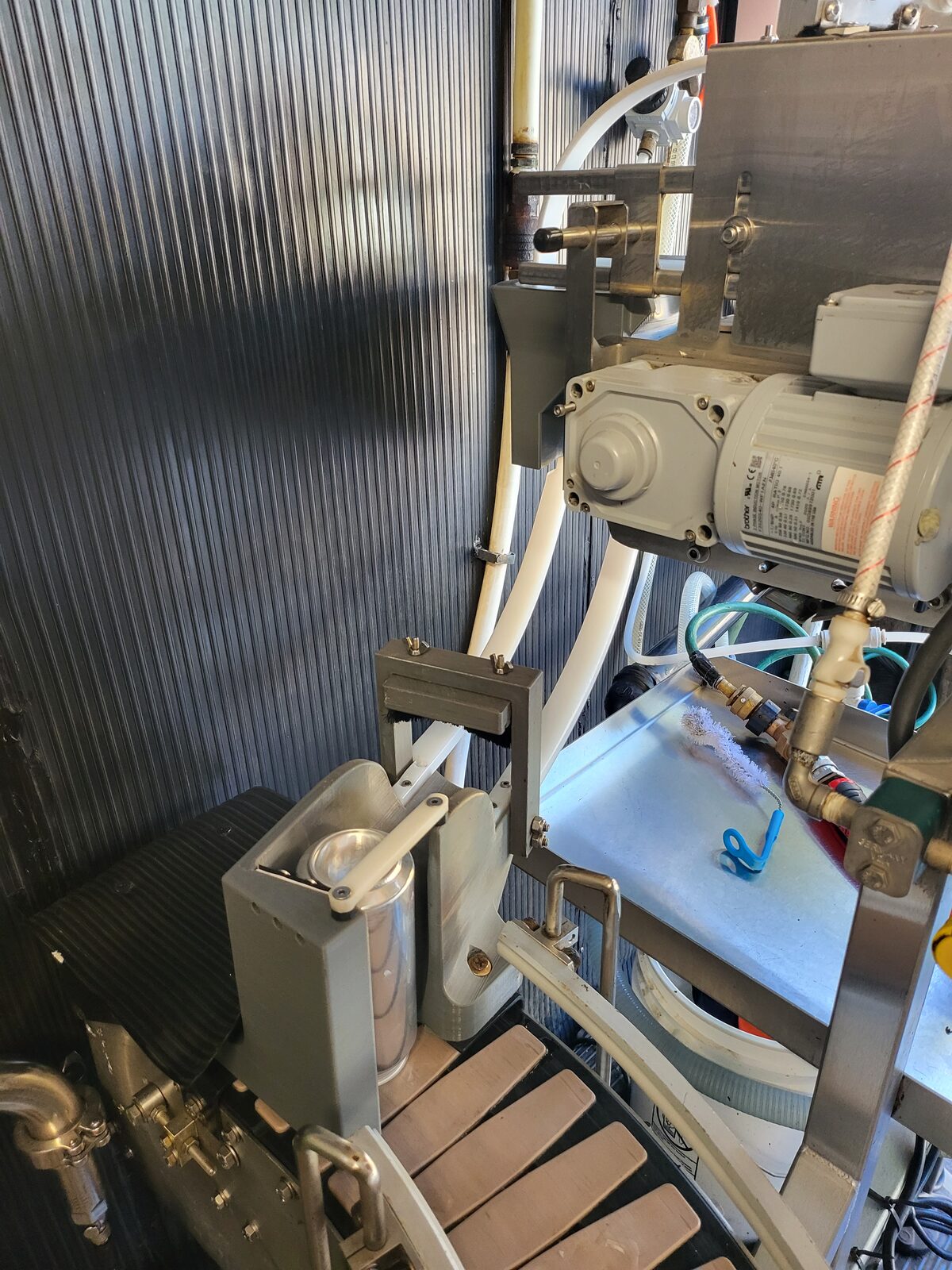
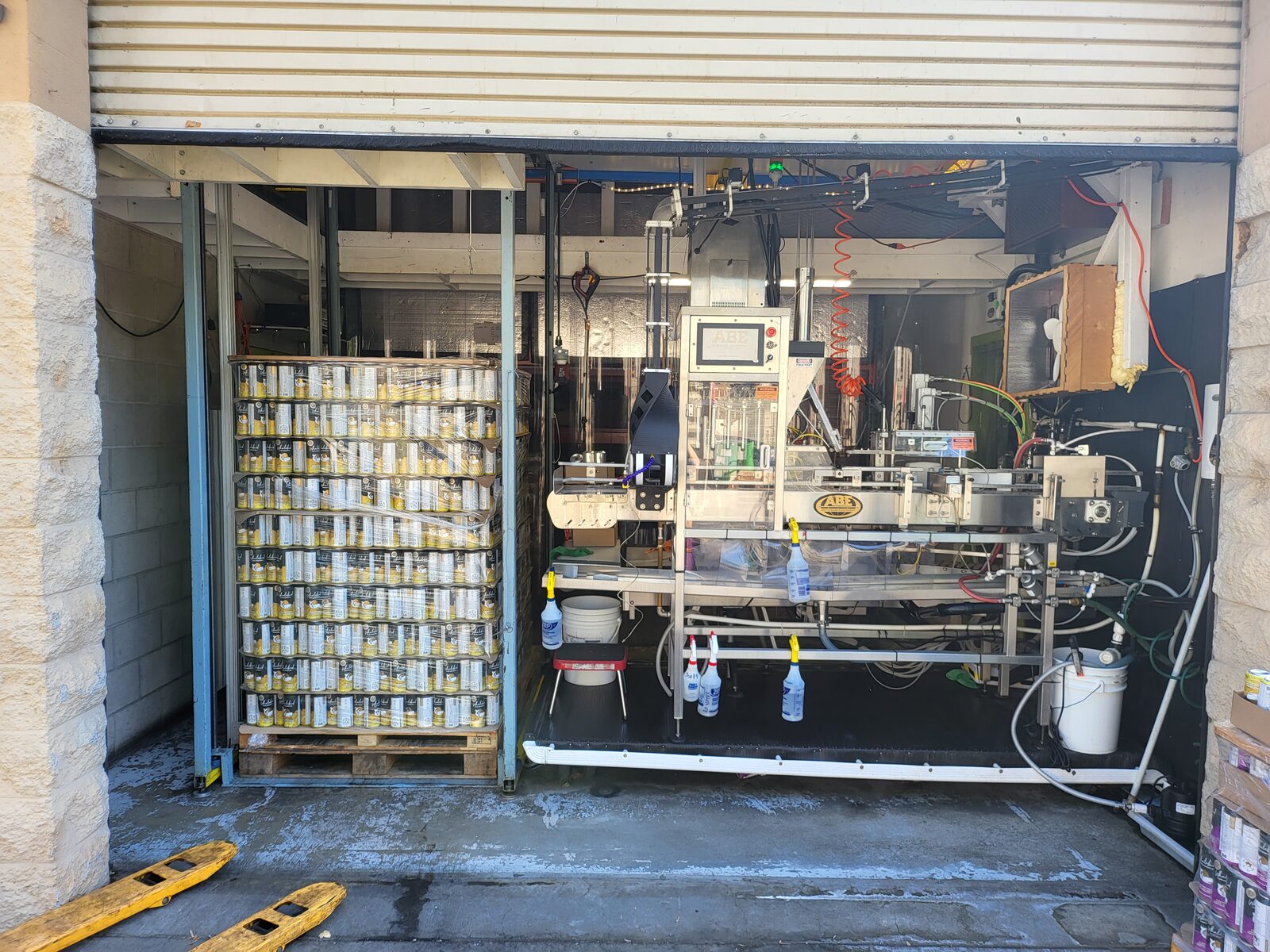
The depalletizer
Commercial depalletizers are expensive, and they need about a forty-foot run
to single-file the cans. We had fifteen feet — so I built our own in a zig-zag
layout and used timed bursts of air to pop the cans free from their nests, with
3D-printed parts bridging every machine and an Acme screw turned by a cheap
drill driving the lift. One of the more intense things I've built from scratch.
Building the depalletizer frame from scratch.Cans loaded in their nests — air bursts popped them free.The zig-zag conveyor — fifteen feet doing forty feet's job.The lid feed.The labeling station.The finished line, running.
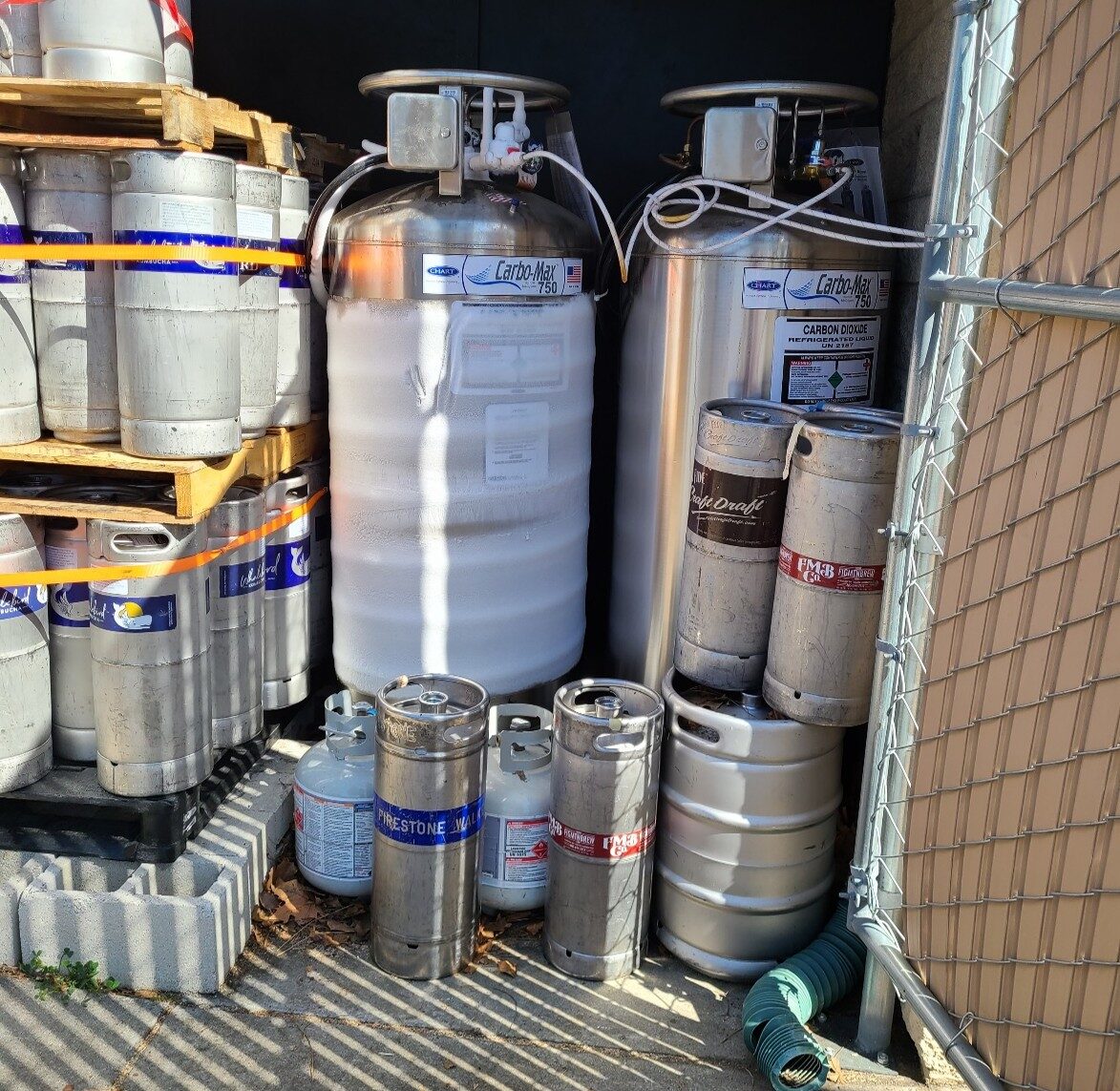
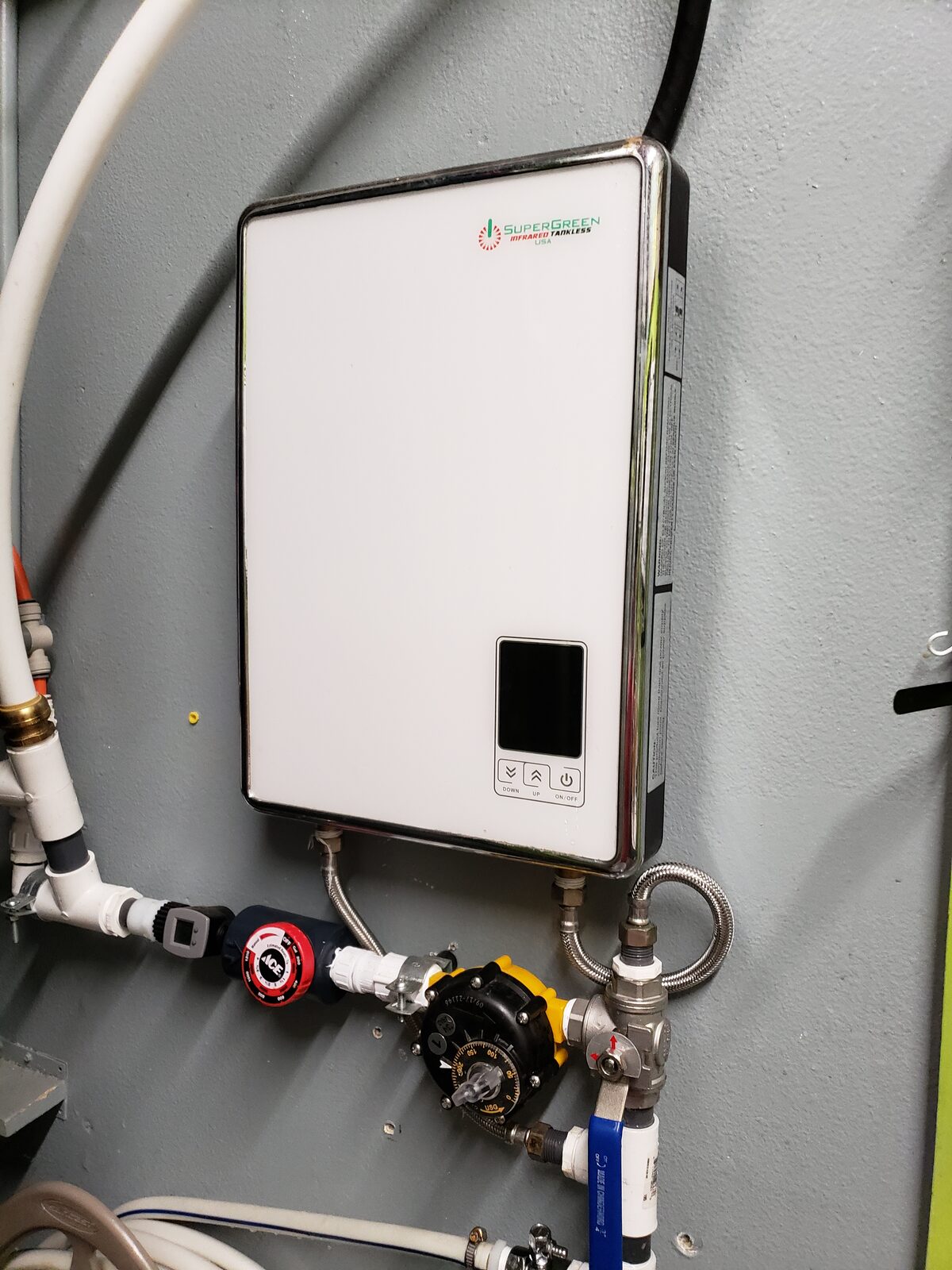
Industrial equipment — all in-house
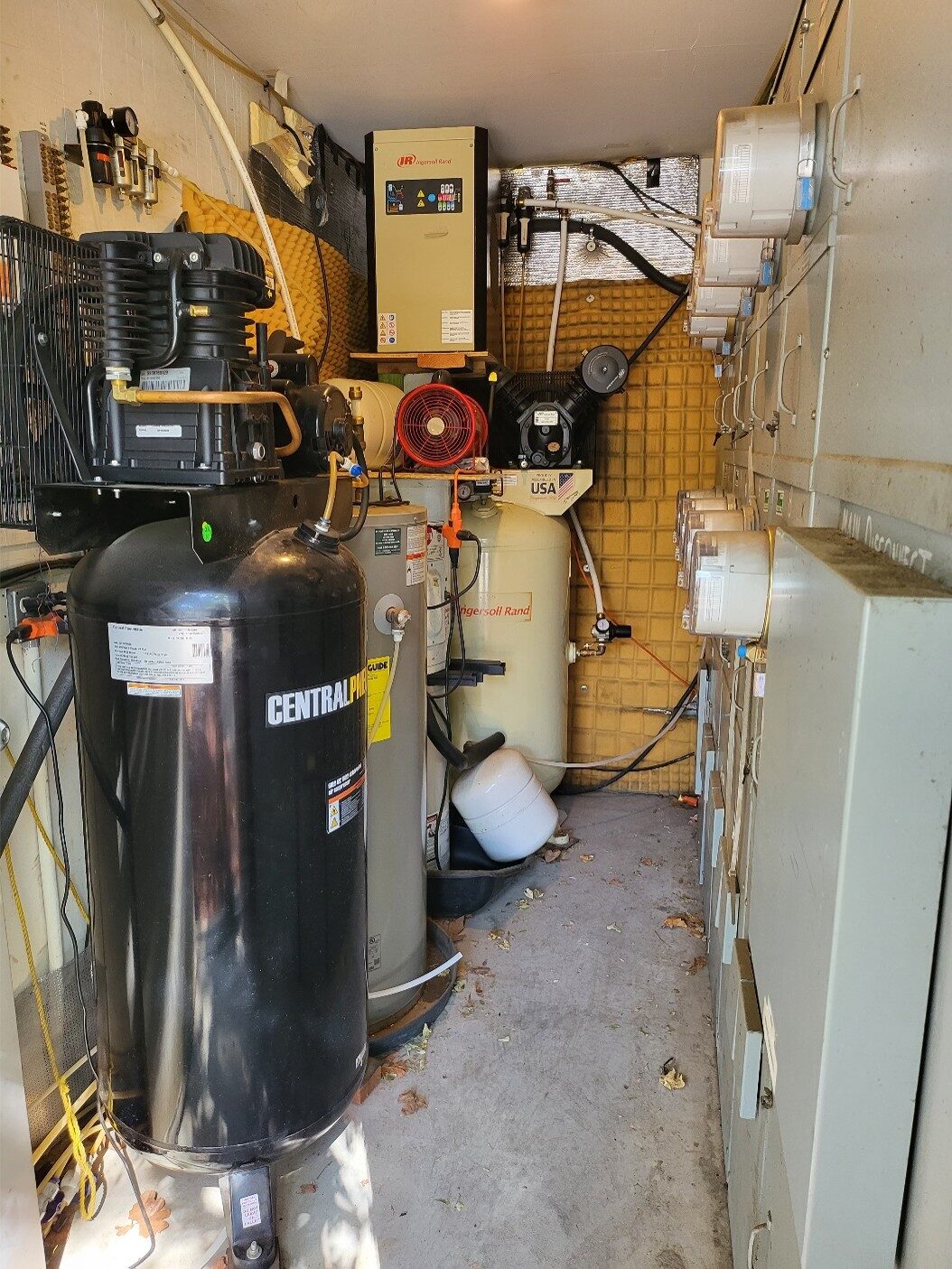
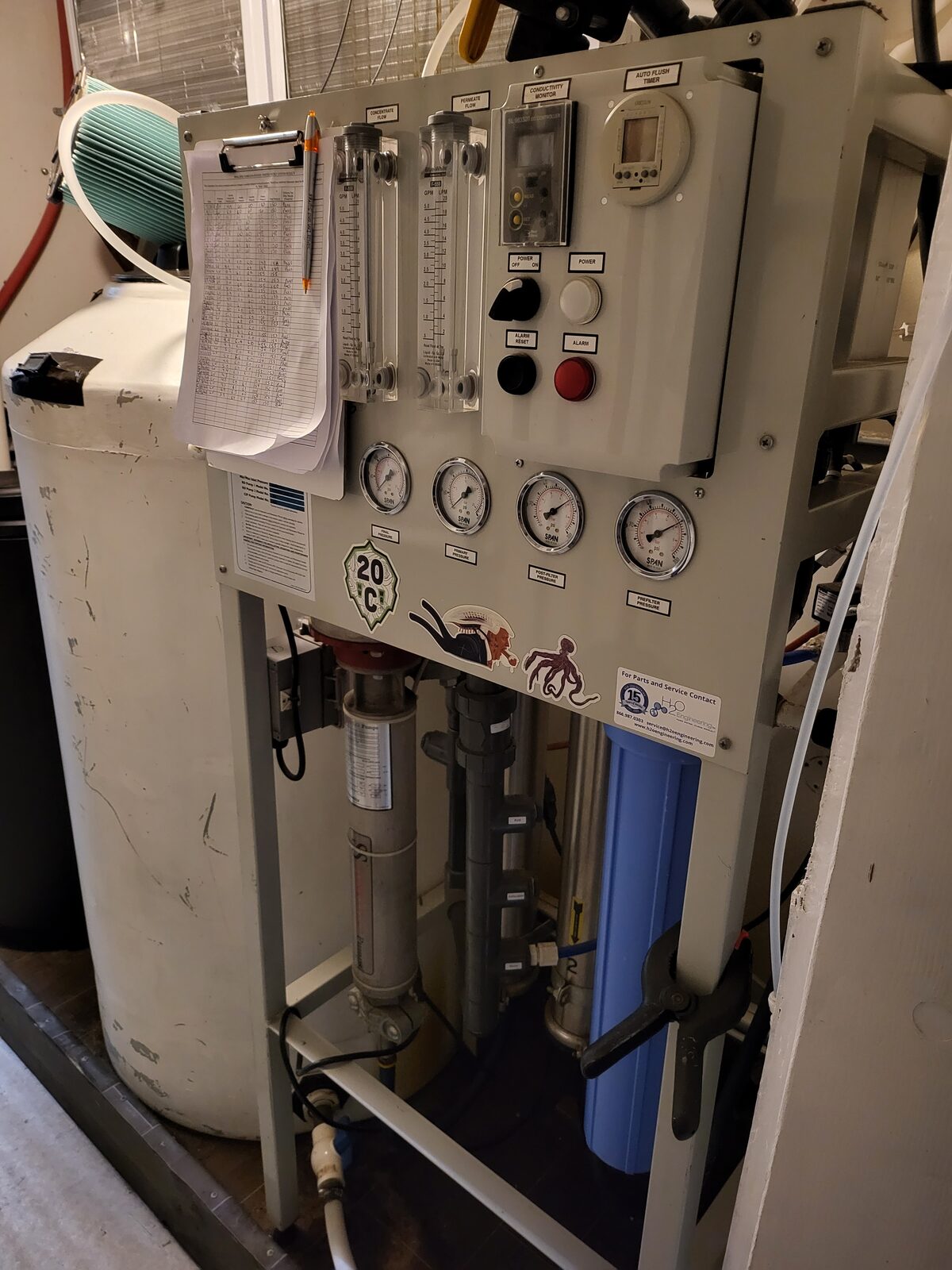
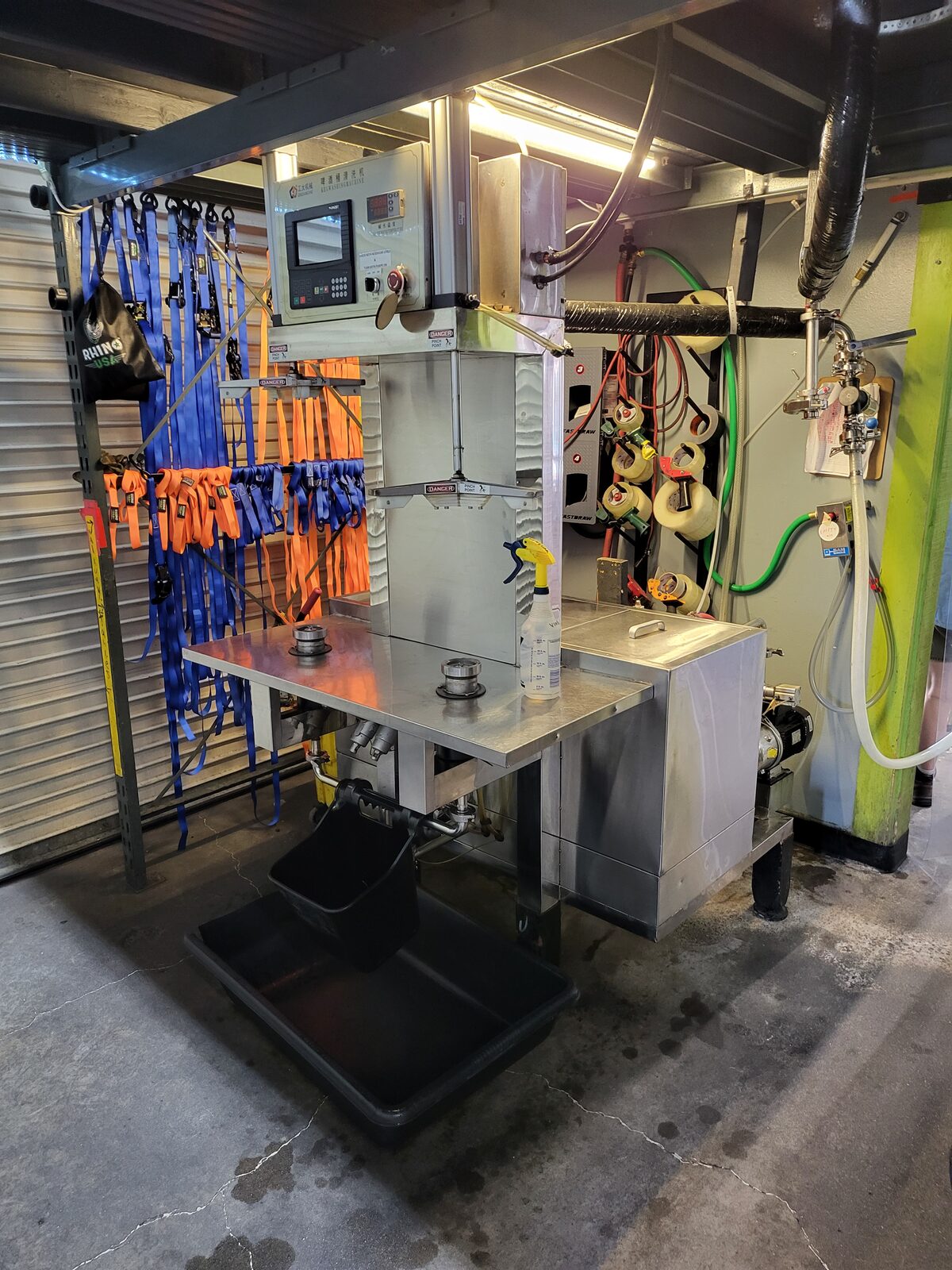
When you're a startup, you do everything yourself. We never hired an
electrician or a contractor for a single job — we installed and wired all of
it in-house and learned as we went: the chiller, CO2 distribution, the RO water
system, the keg washer, the compressors, the heaters.
Bulk CO2 and keg storage.On-demand water heating.The compressor room.The reverse-osmosis water system.The keg washer.
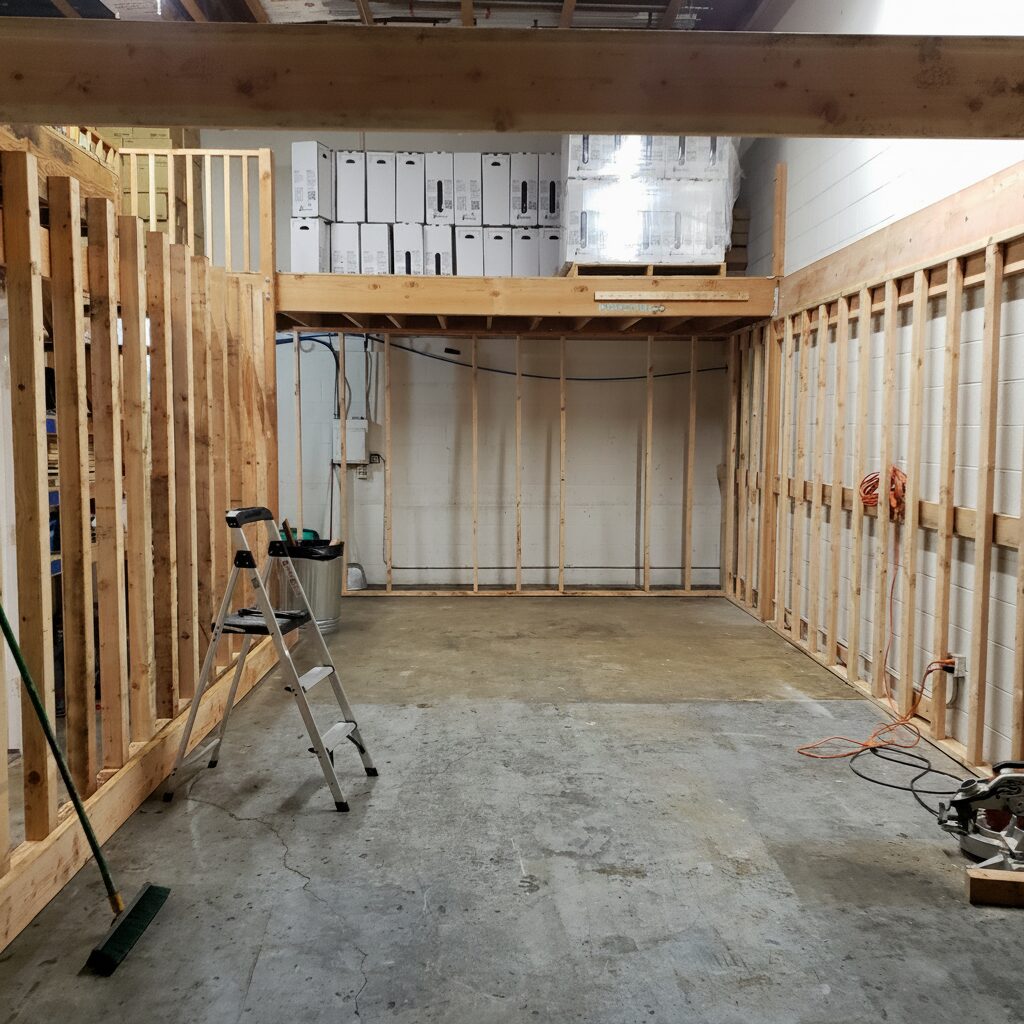
The cold rooms
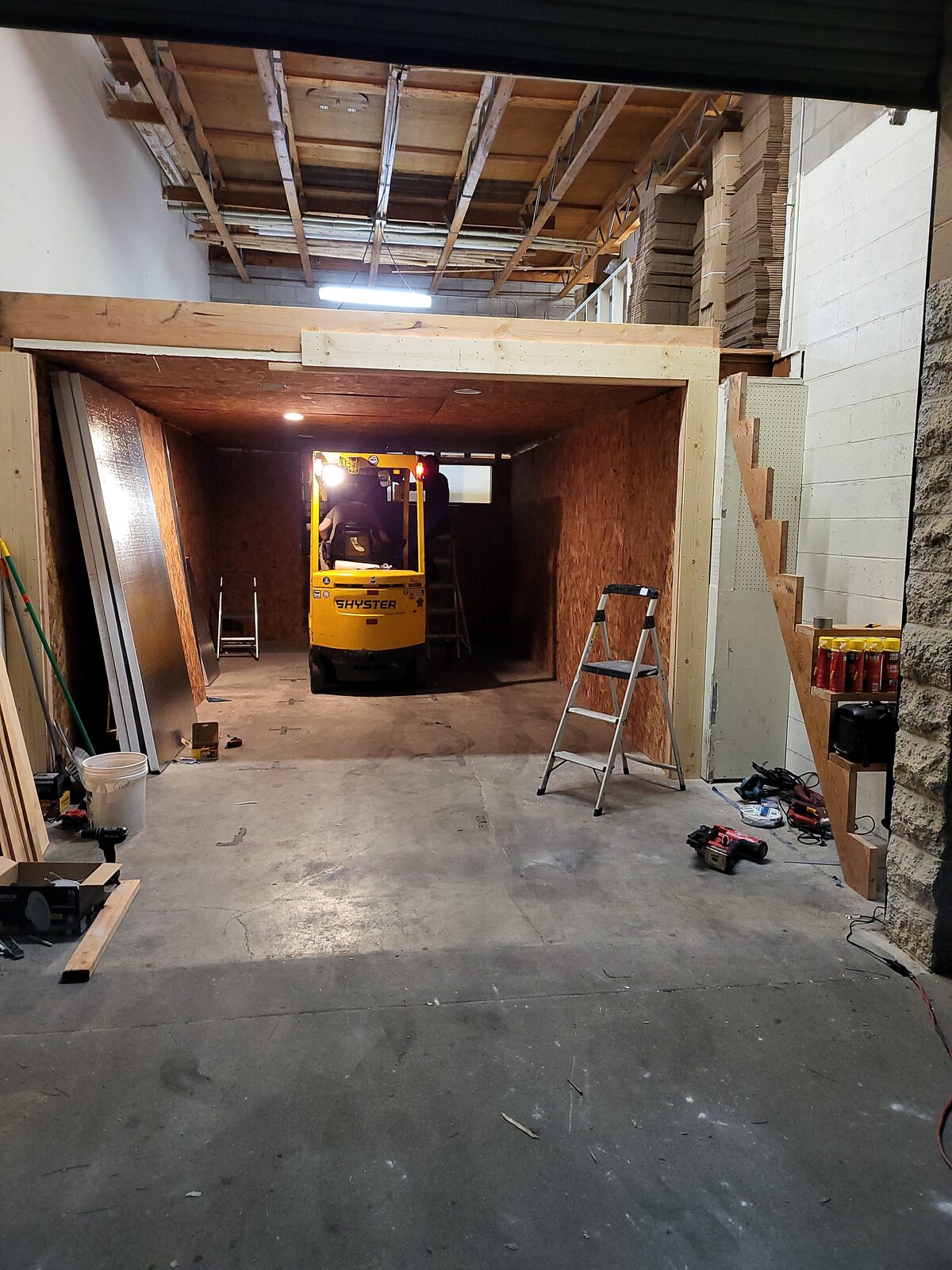
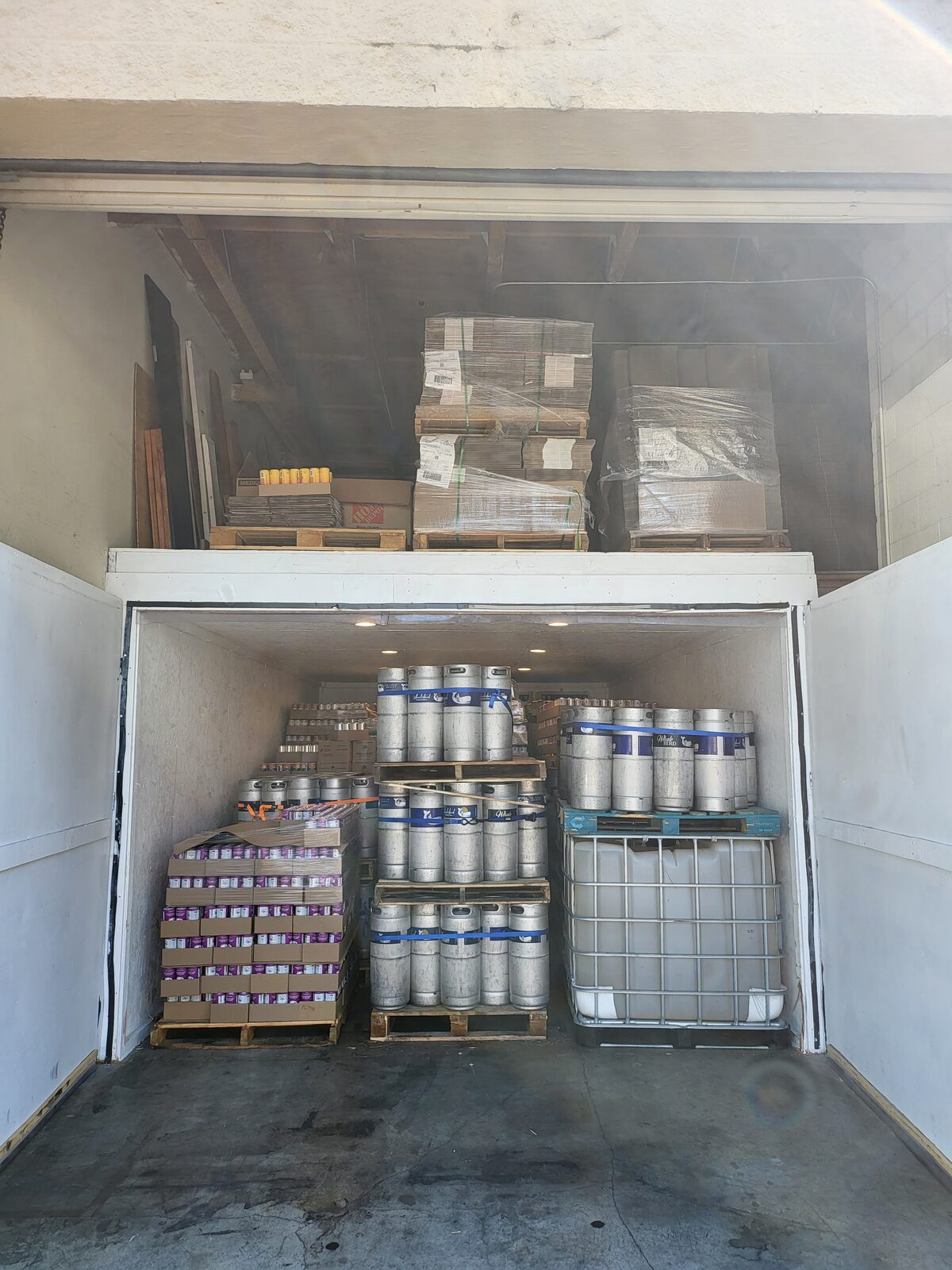
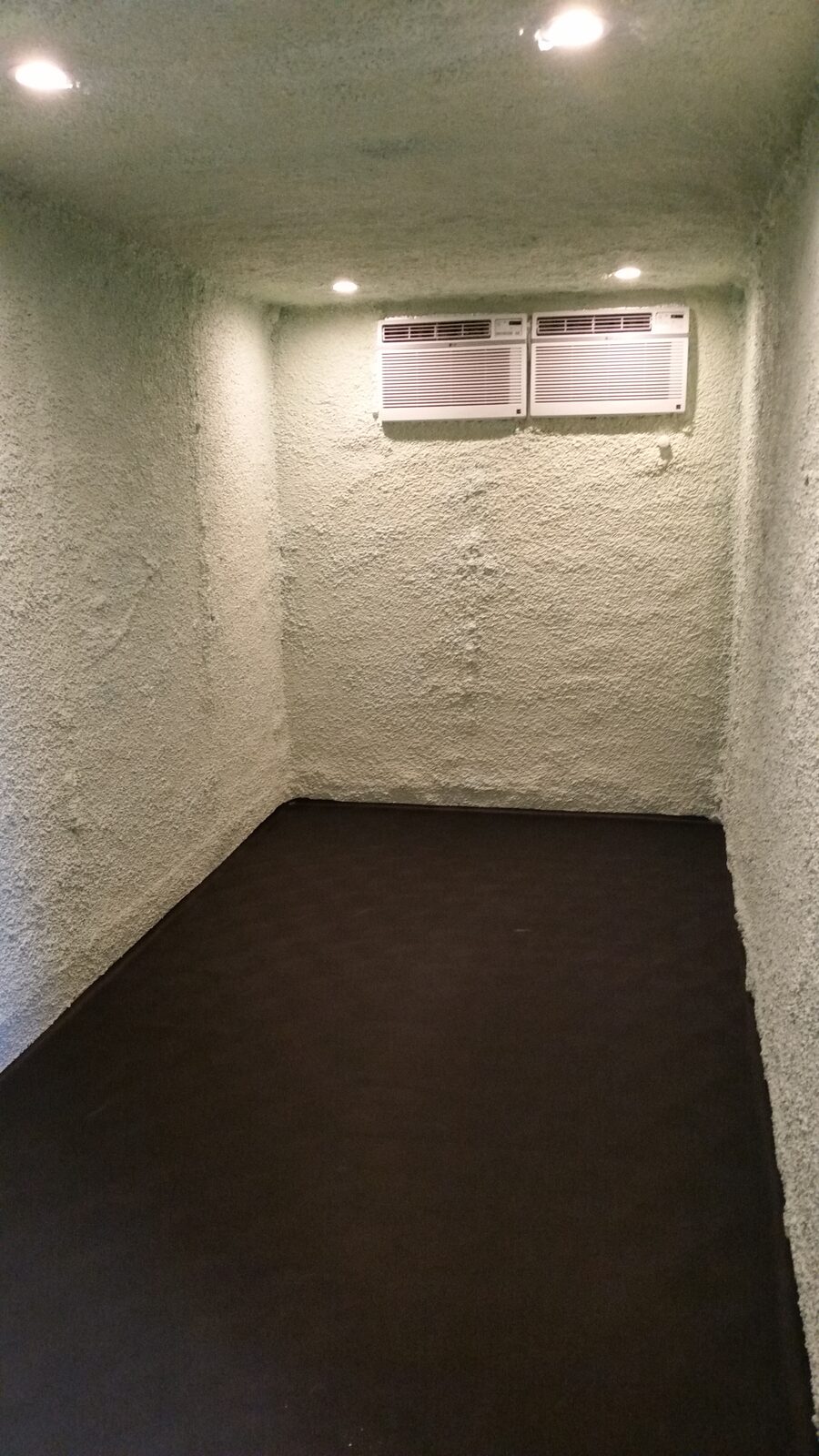
Kombucha needs a lot of cold storage. Two of our five buildings became drive-in
fridges big enough for a forklift; we built a small walk-in too — all in-house.
Framing a drive-in fridge.Big enough to drive a forklift into.Finished and packed with kegs.The small cold room, spray-foamed.
The tasting room
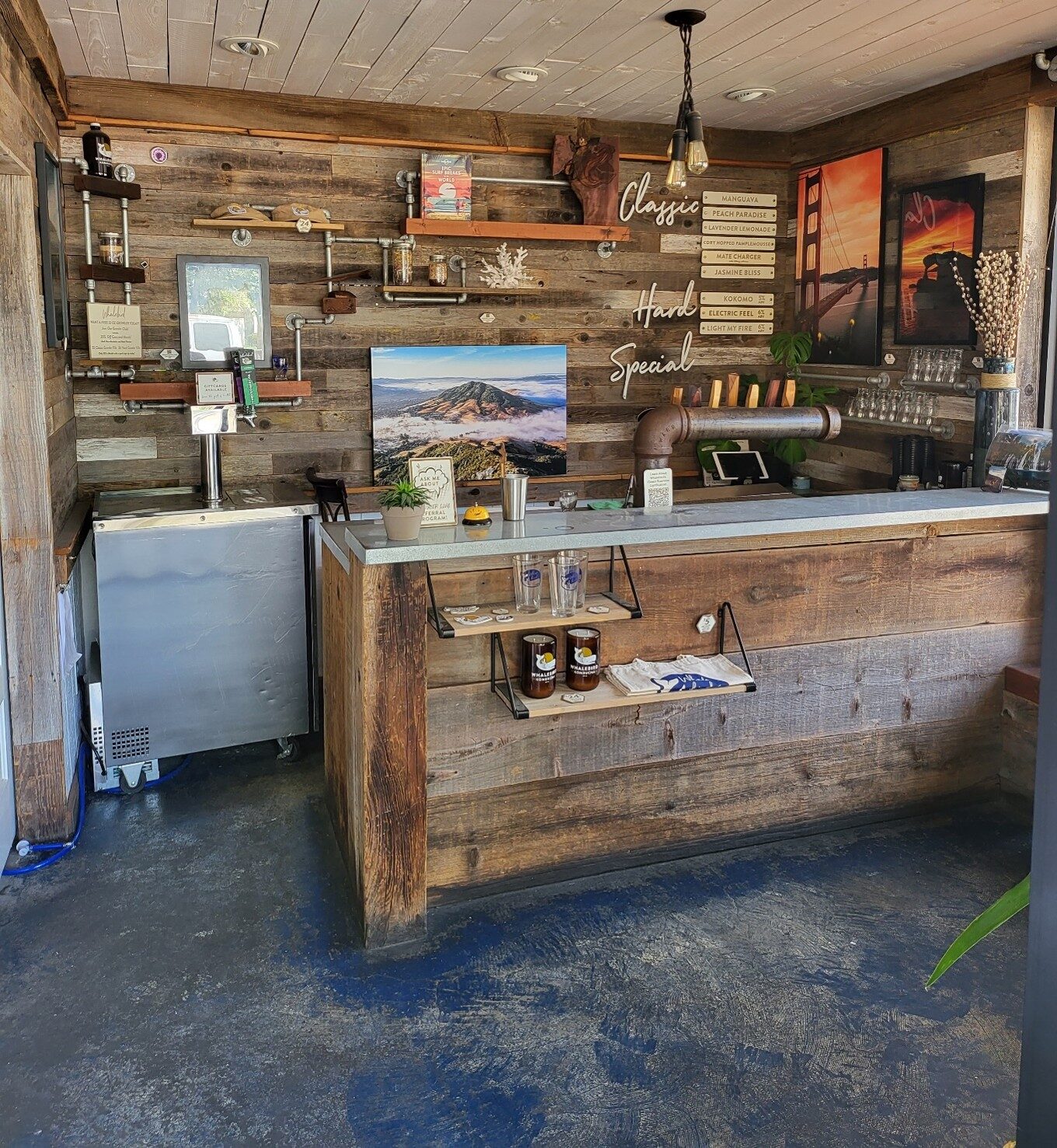
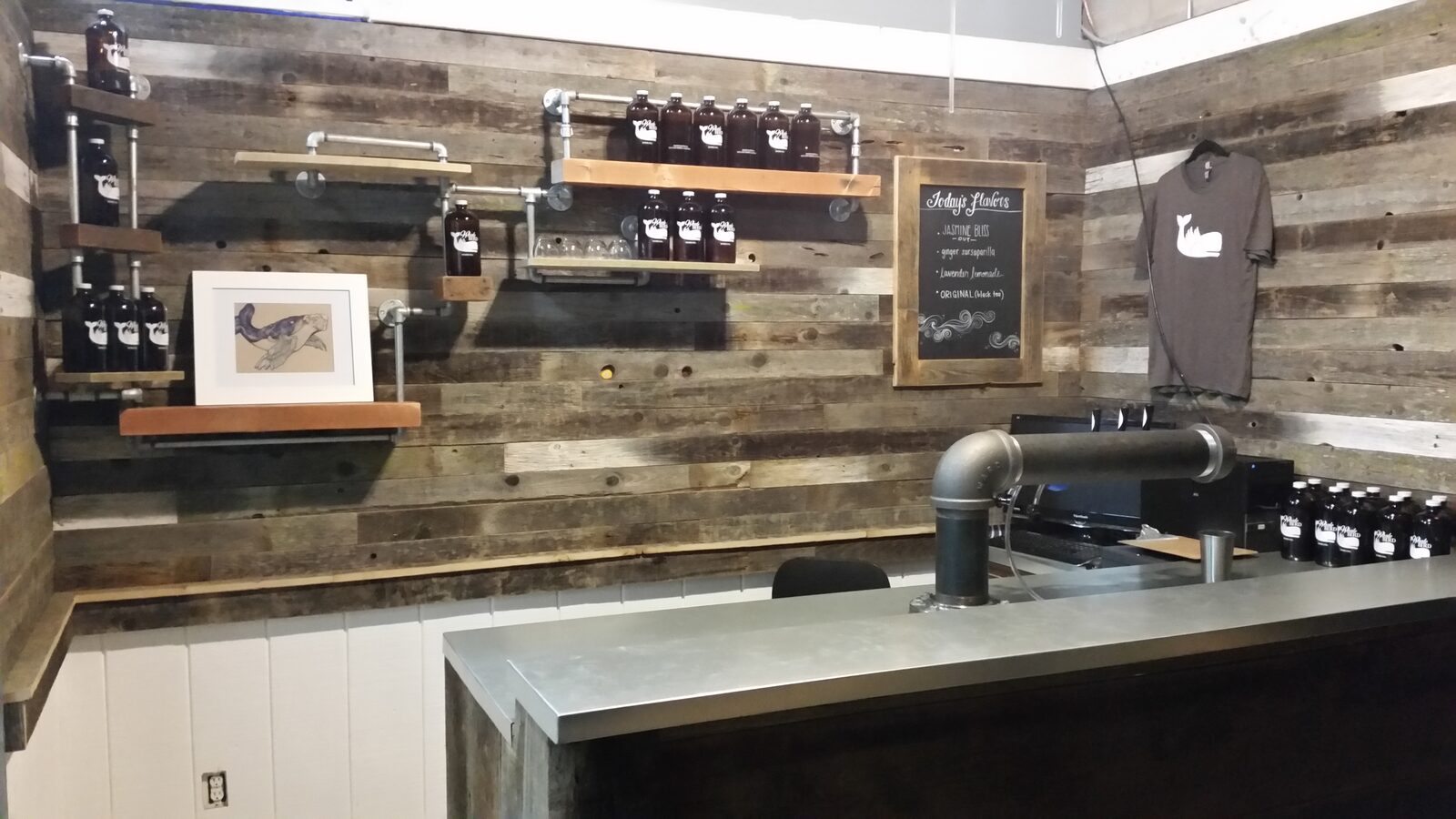
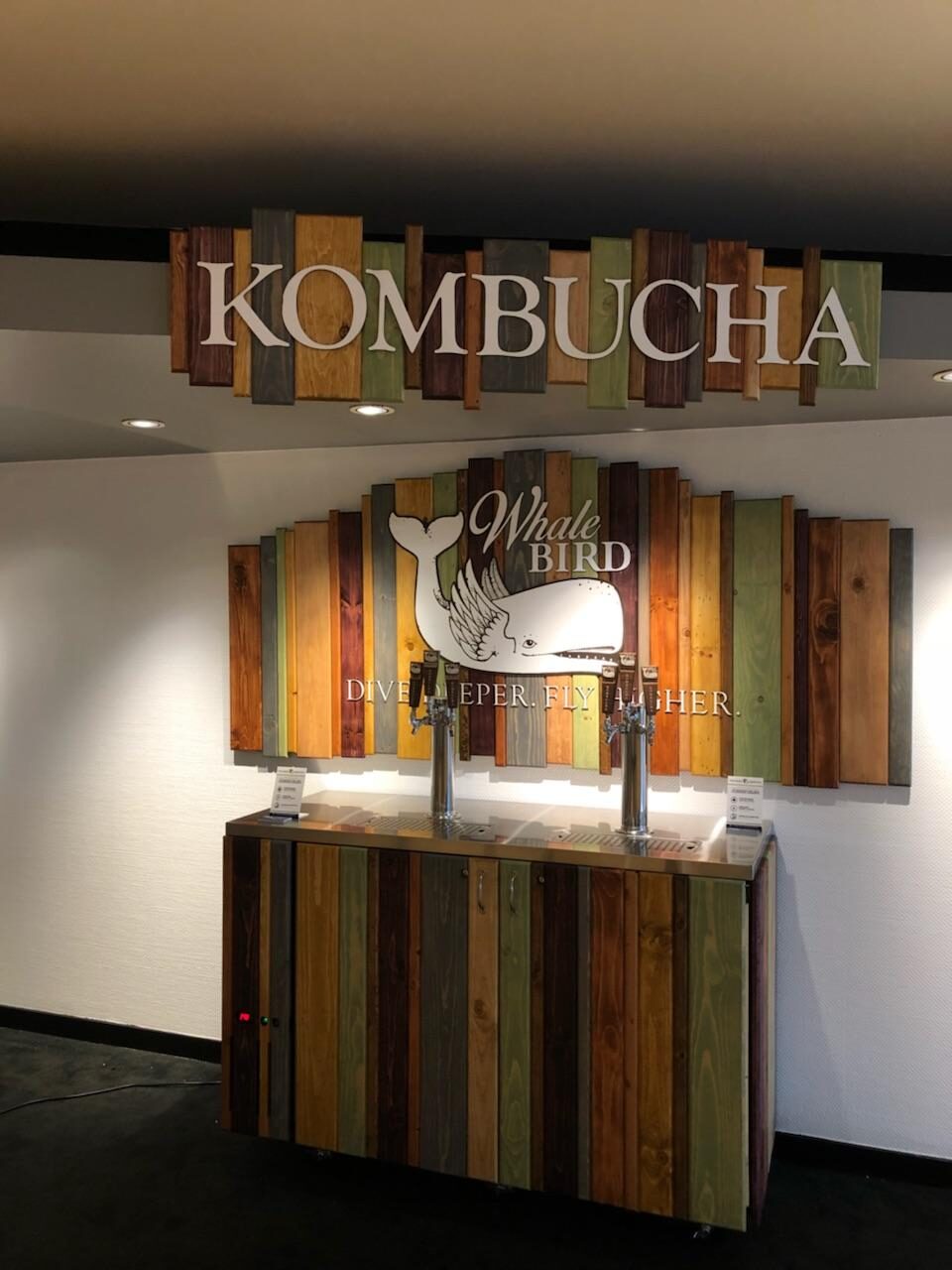
When we first moved in we needed a space that felt good to walk into. A friend
pulled reclaimed wood off an old barn, and as a team we built the bar and room
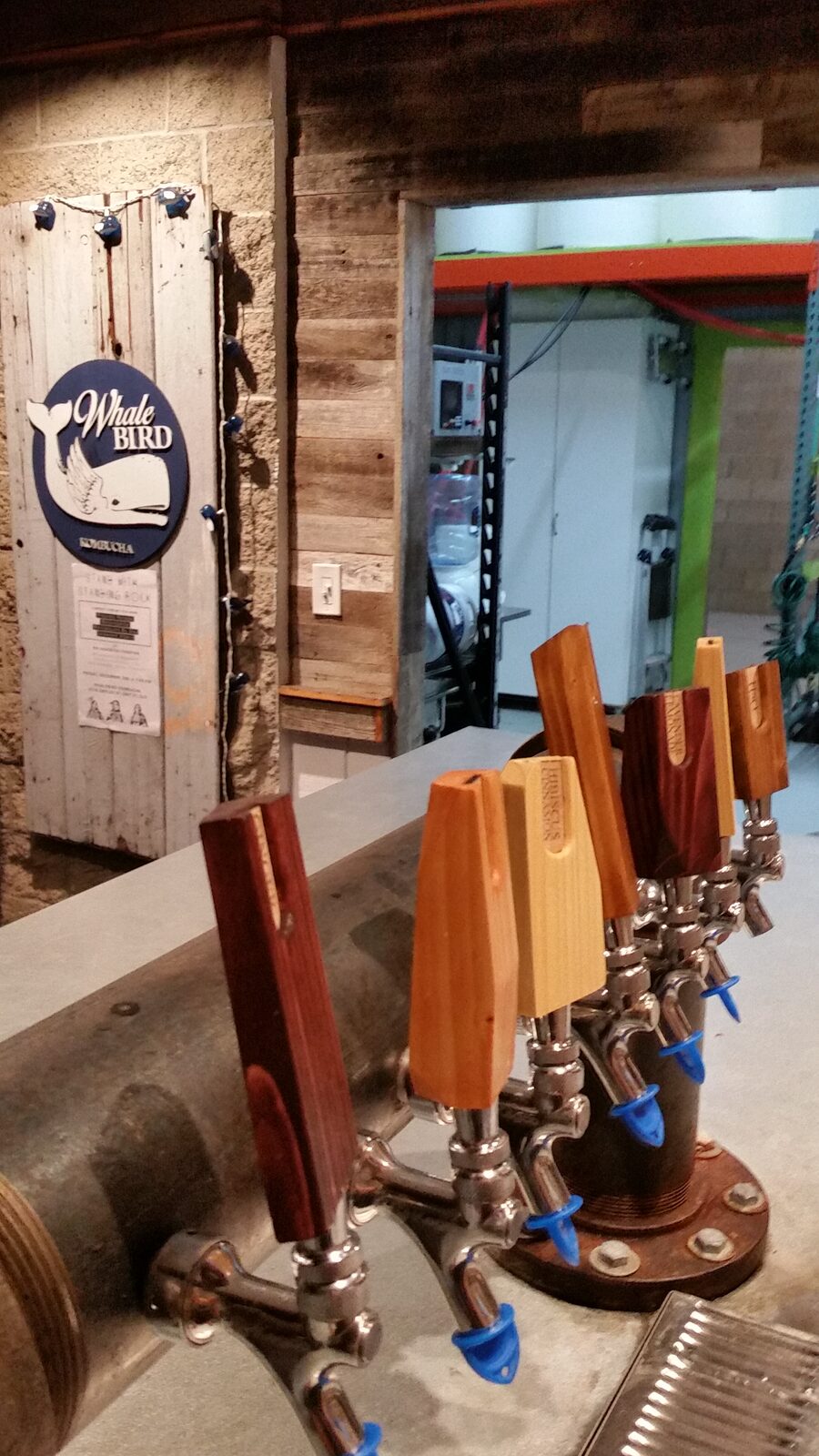
around it. I built the tap tower out of old pipe and gave it a patina, made the
tap panels, and built the mezzanine above.
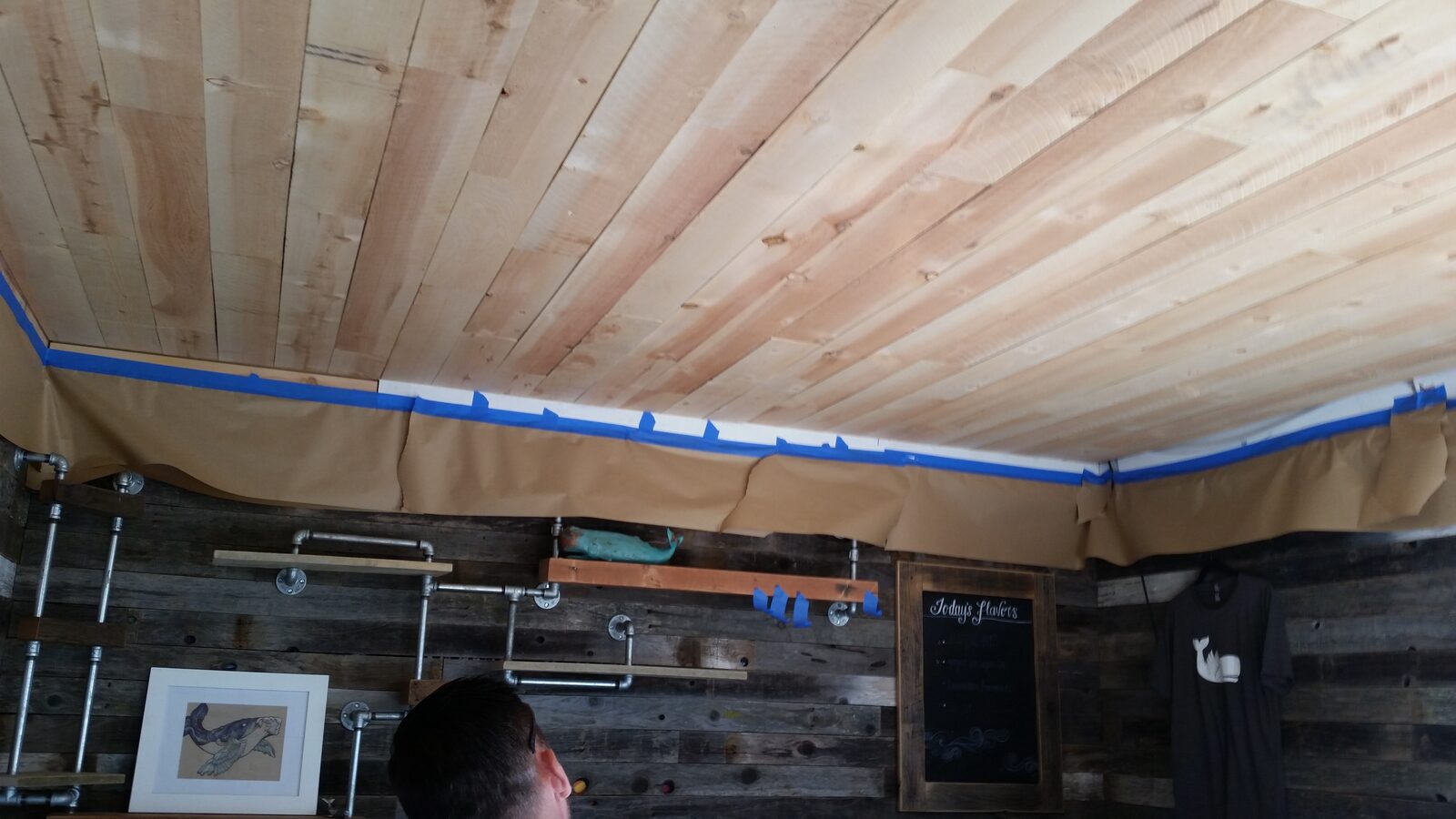
The finished bar — reclaimed barn wood.The tap tower I built from old pipe, patina'd.Pipe shelving and the chalkboard menu.Building out the ceiling.
In-house laser craft
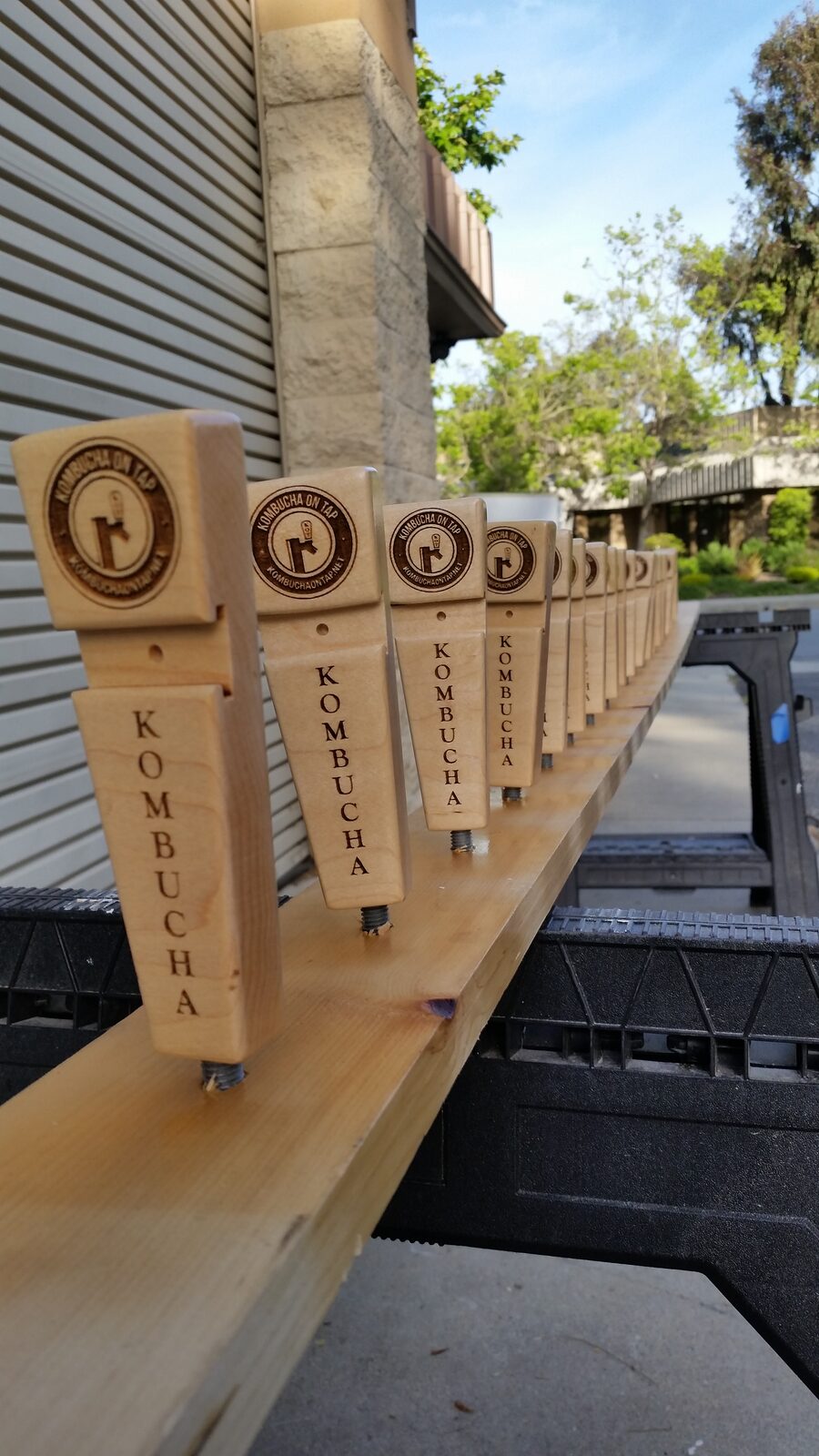
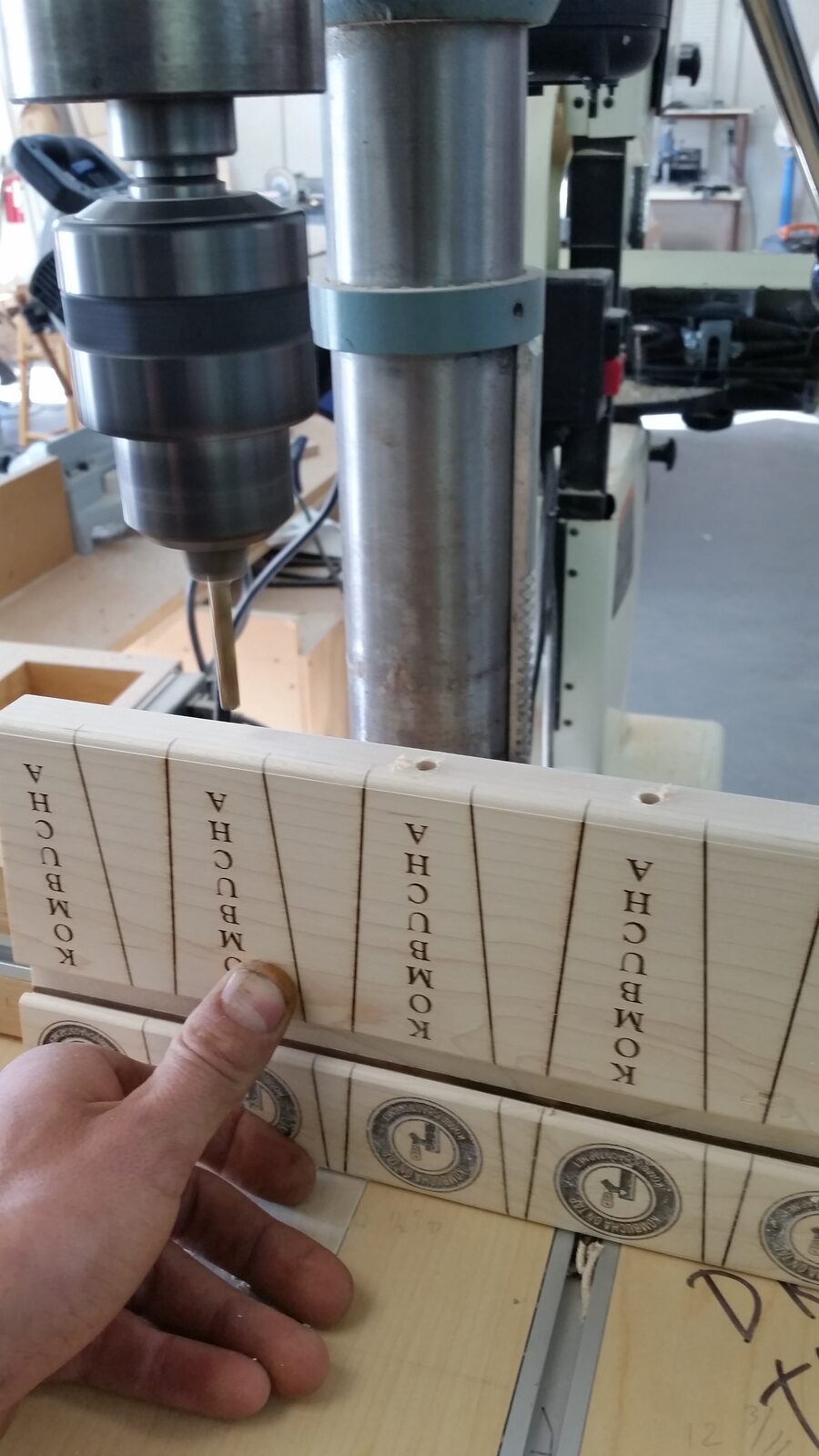
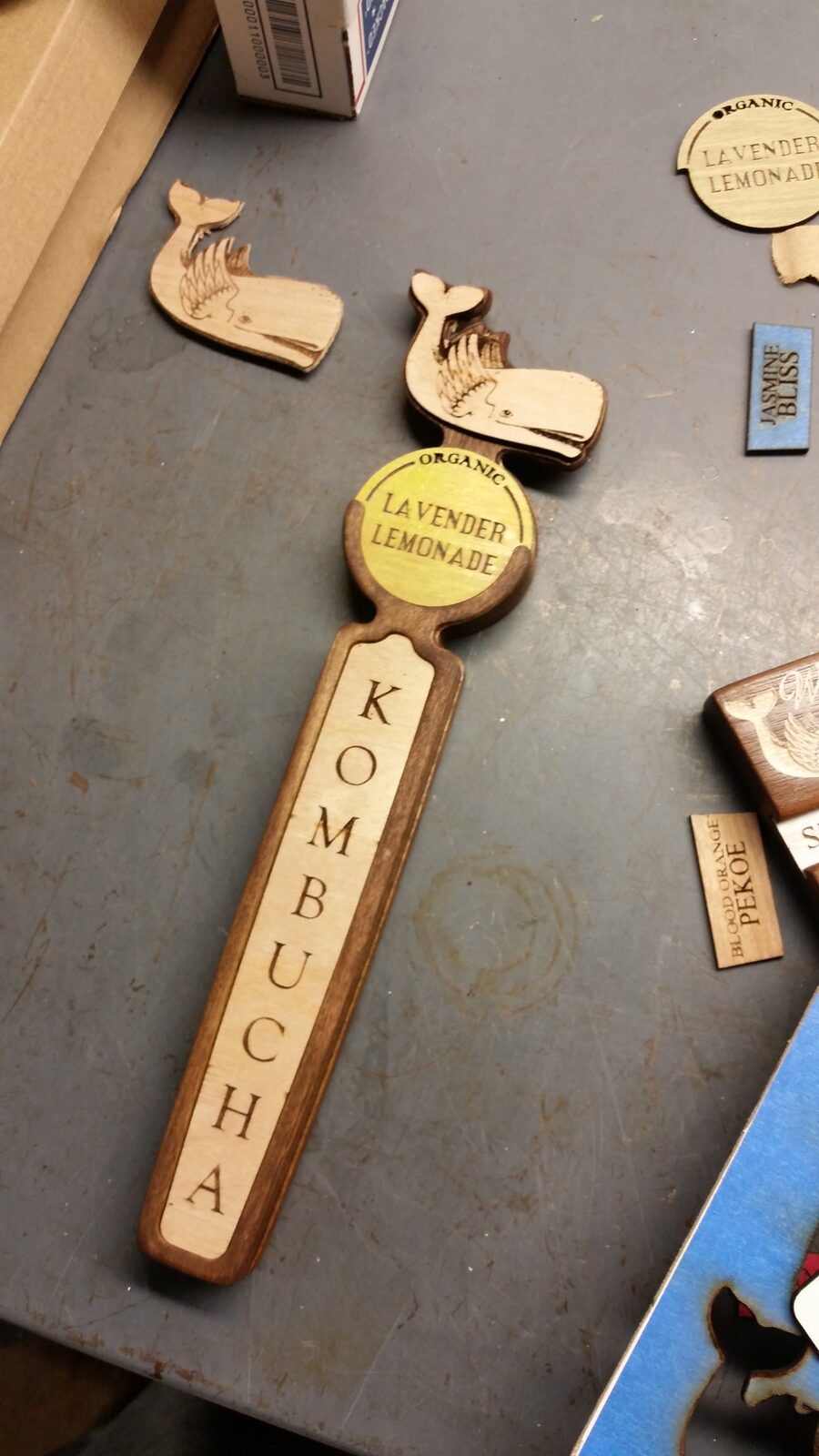
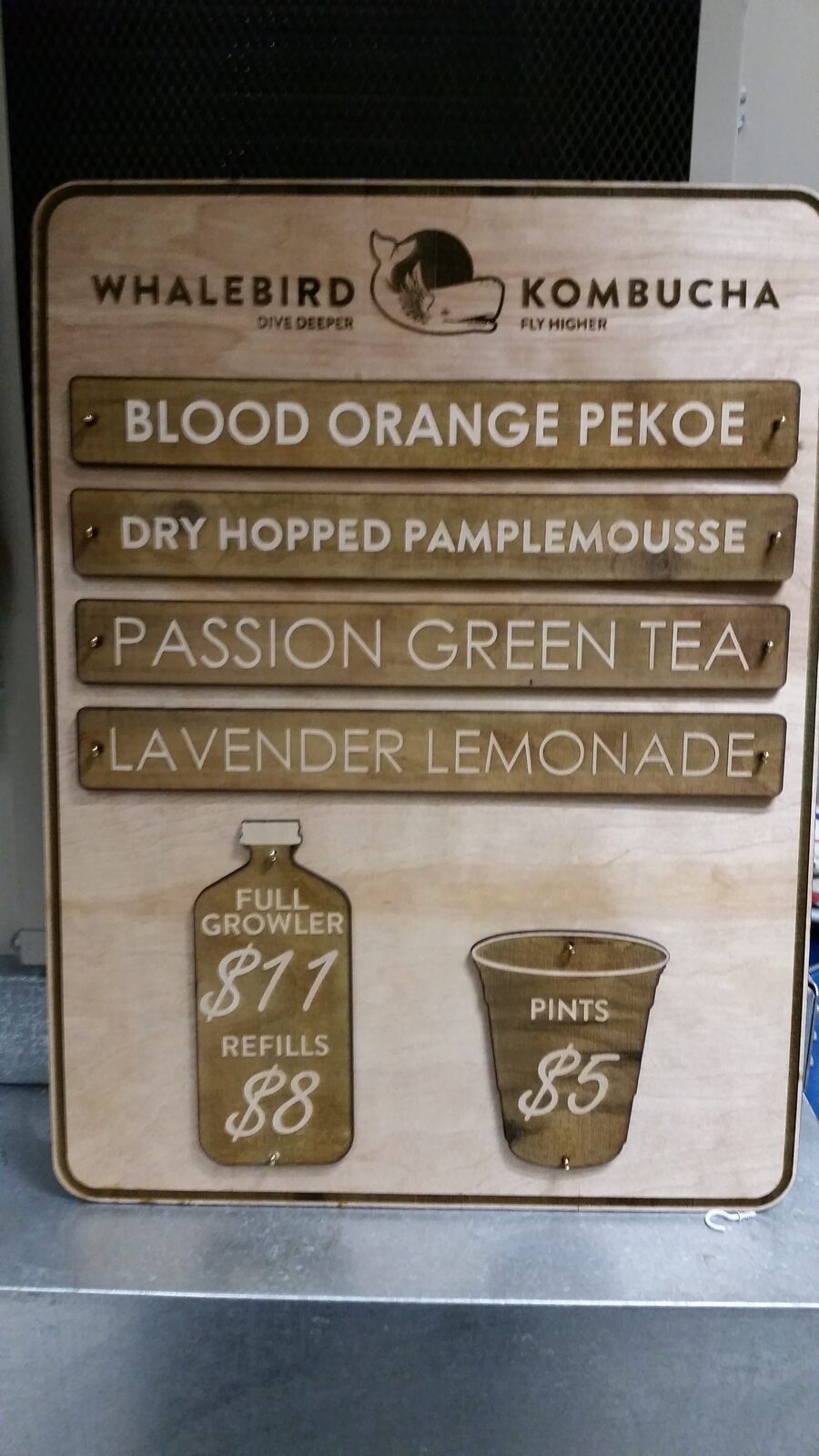
We bought a laser so we could make our own signage and merch on short notice.
We made all our own tap hardware too — maple handles and panels, laser-etched
and cut in-house. I developed them, then trained the team to produce them.
Maple tap handles, laser-etched in-house.A finished tap station.Etching blanks on our own laser.Assembling handles with flavor discs.A laser-etched tap menu.
From the Instagram
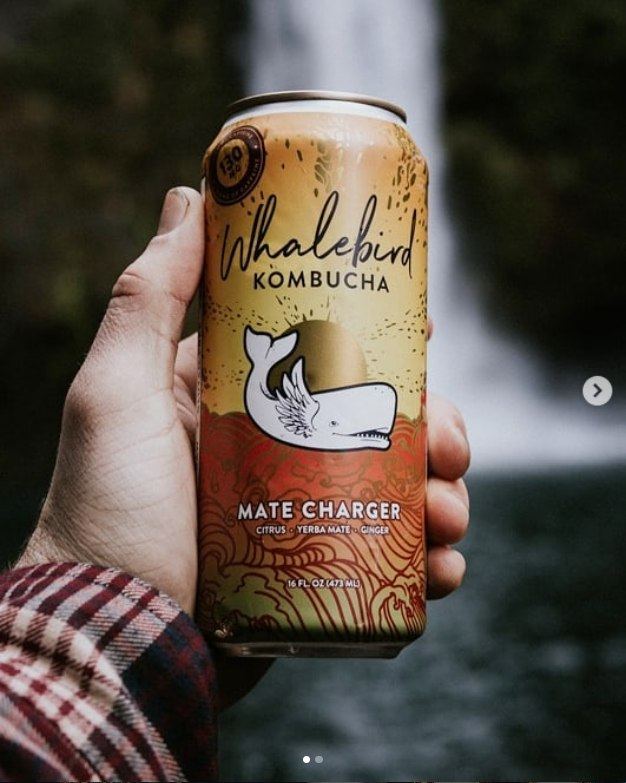
Whalebird built a loyal following on the strength of its brand — a few shots
from @whalebirdkombucha over the years.
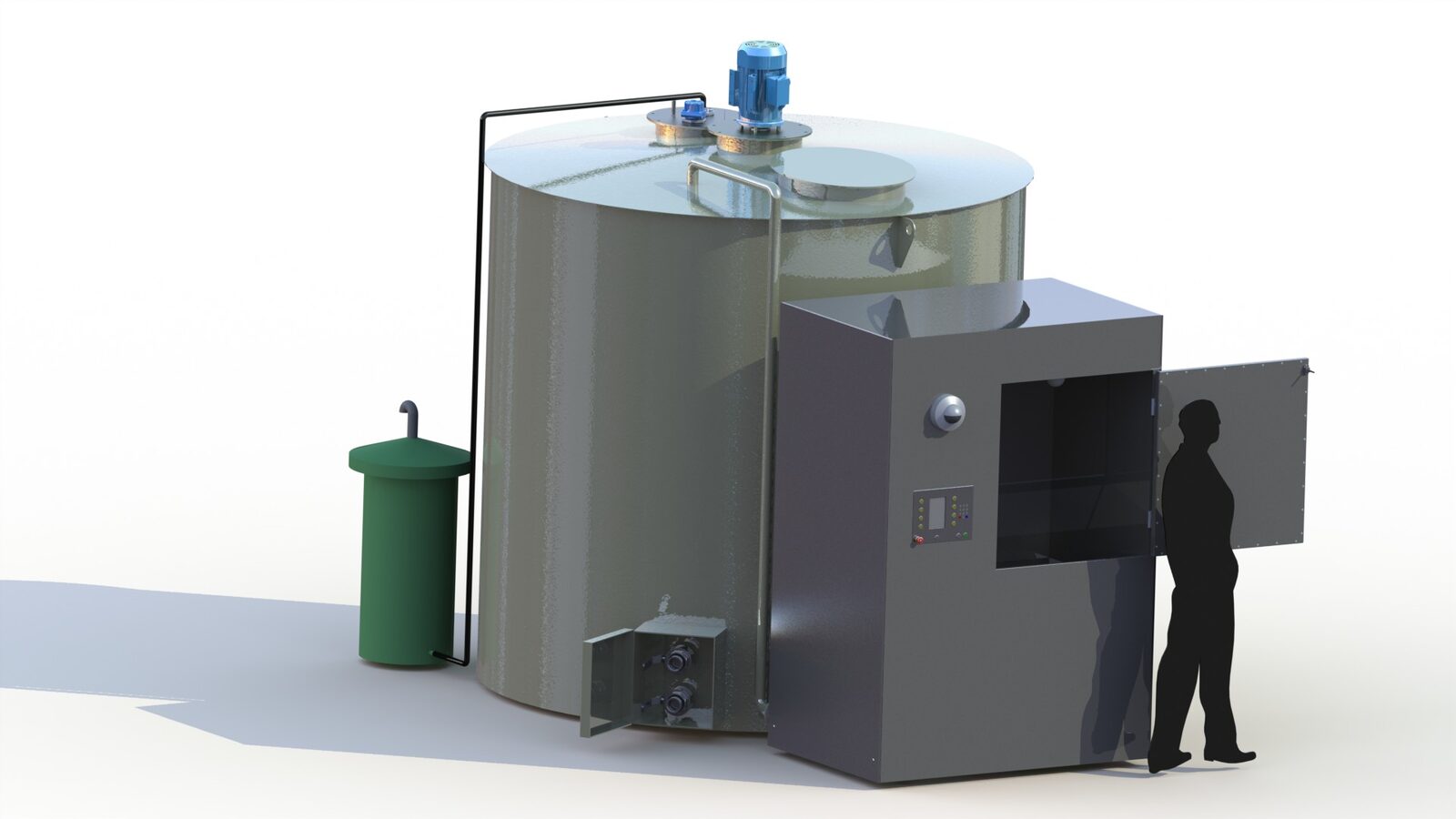
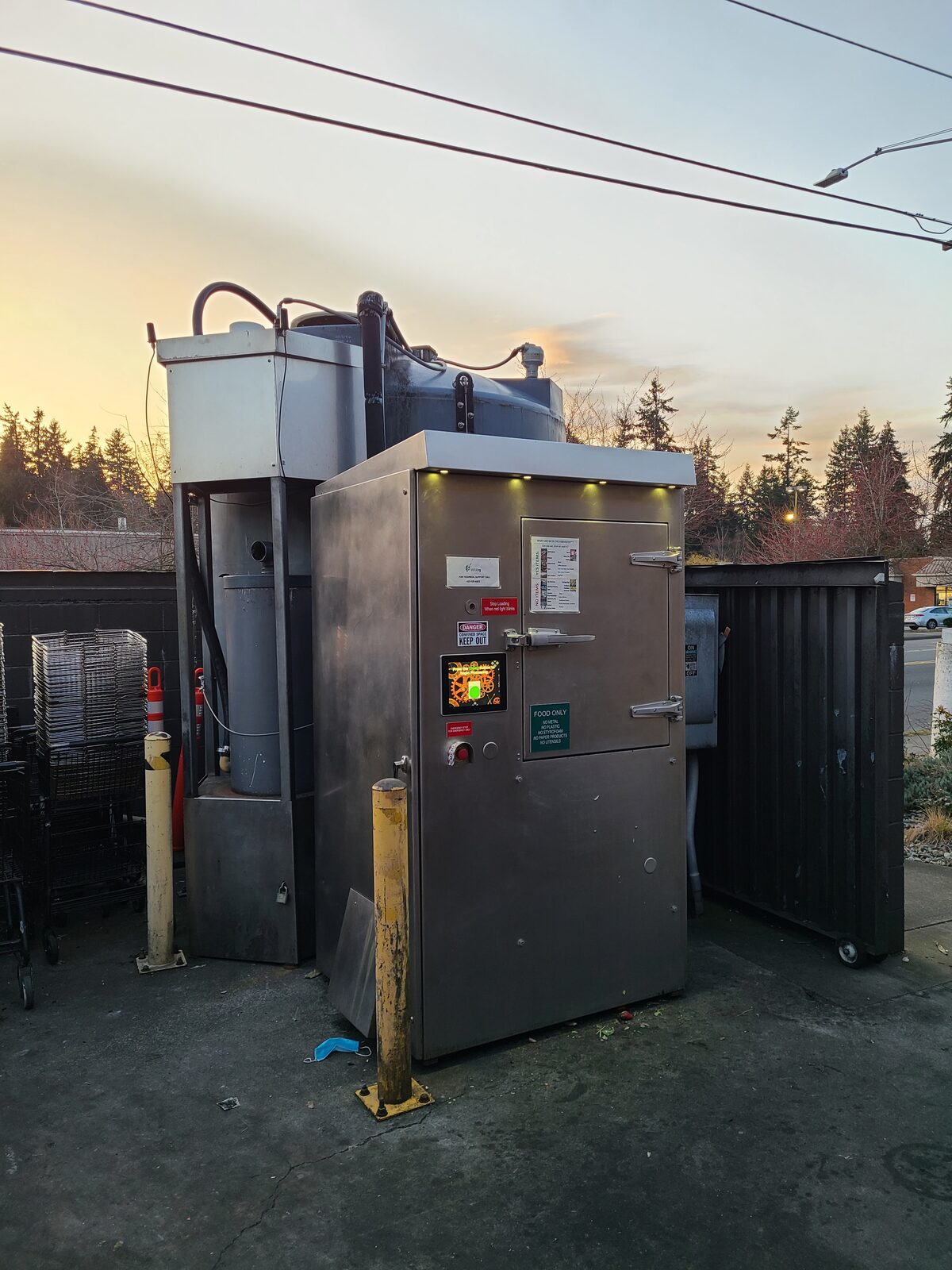
WISErg built autonomous machines that sat behind grocery stores and turned
food waste into fertilizer on site. I was on it from the very first prototype
and stayed through three generations of the design.
The second generation got handed to an outside engineering firm and came back
a $300,000 machine. The third generation was mine — I brought it to a $70,000
build, and that's the version WISErg took to final production and kept making.
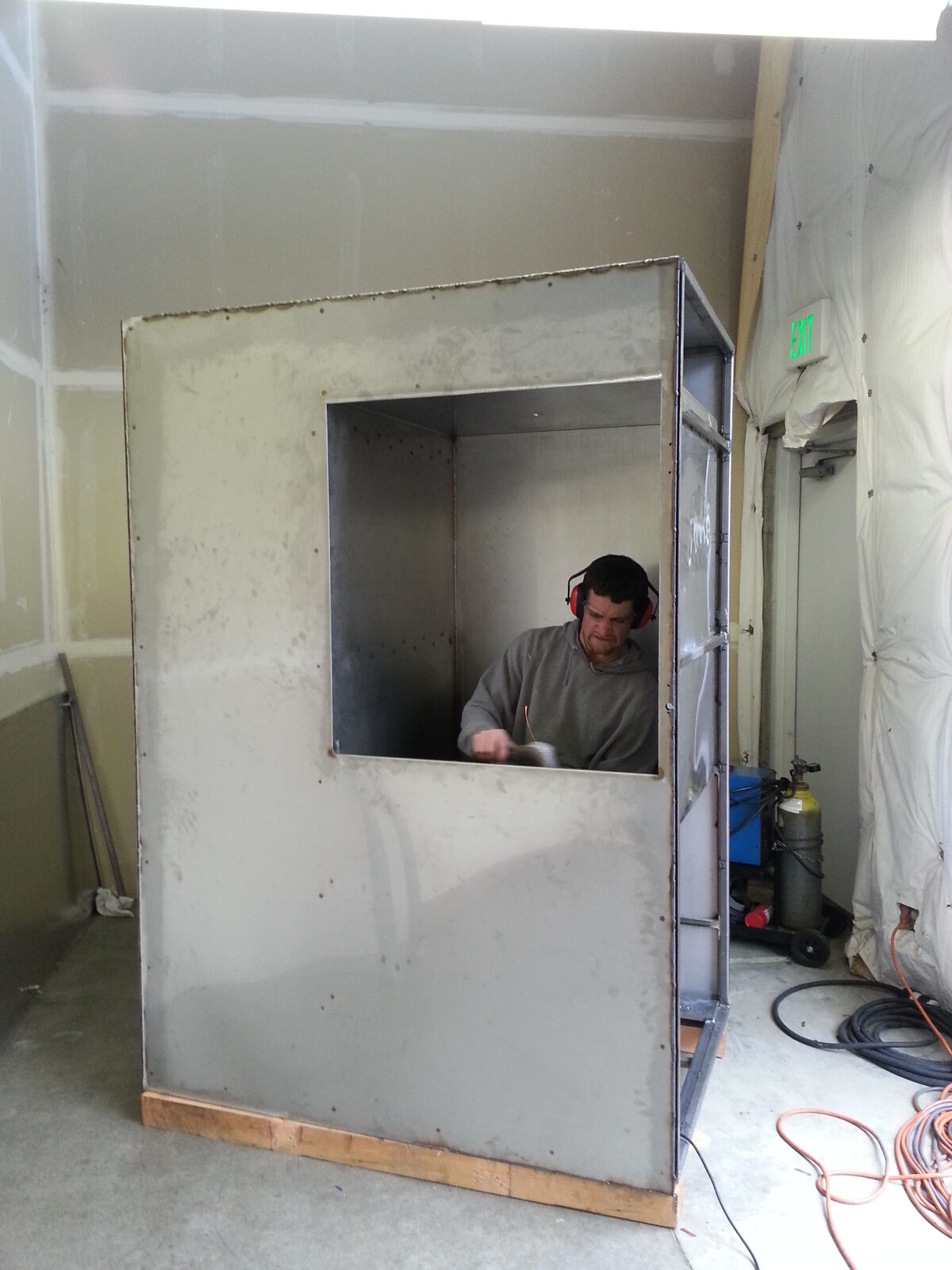
The Harvestor
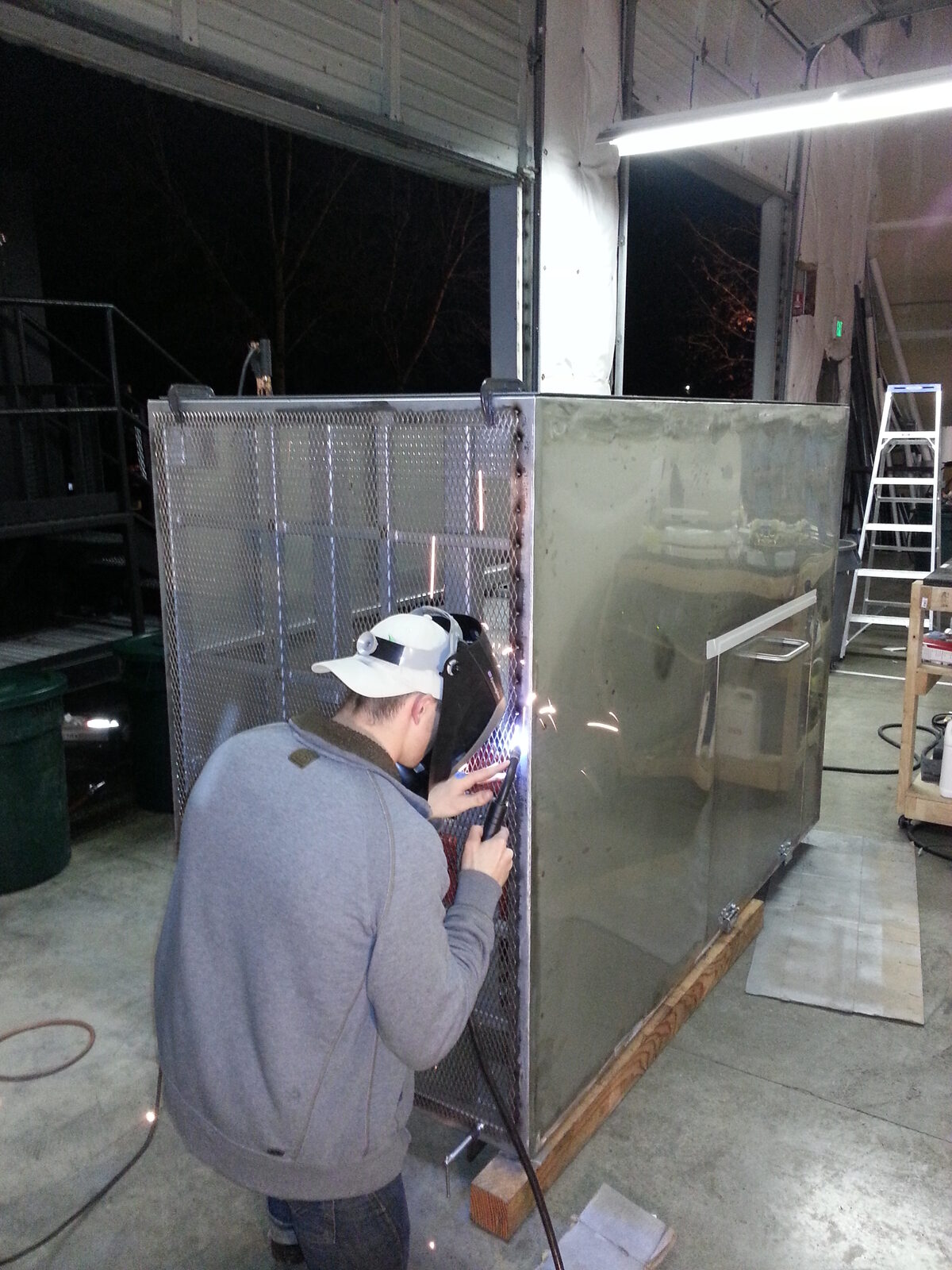
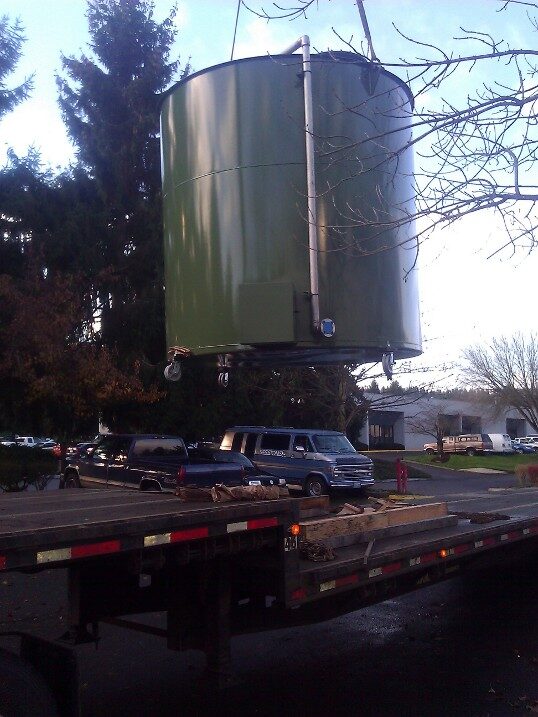
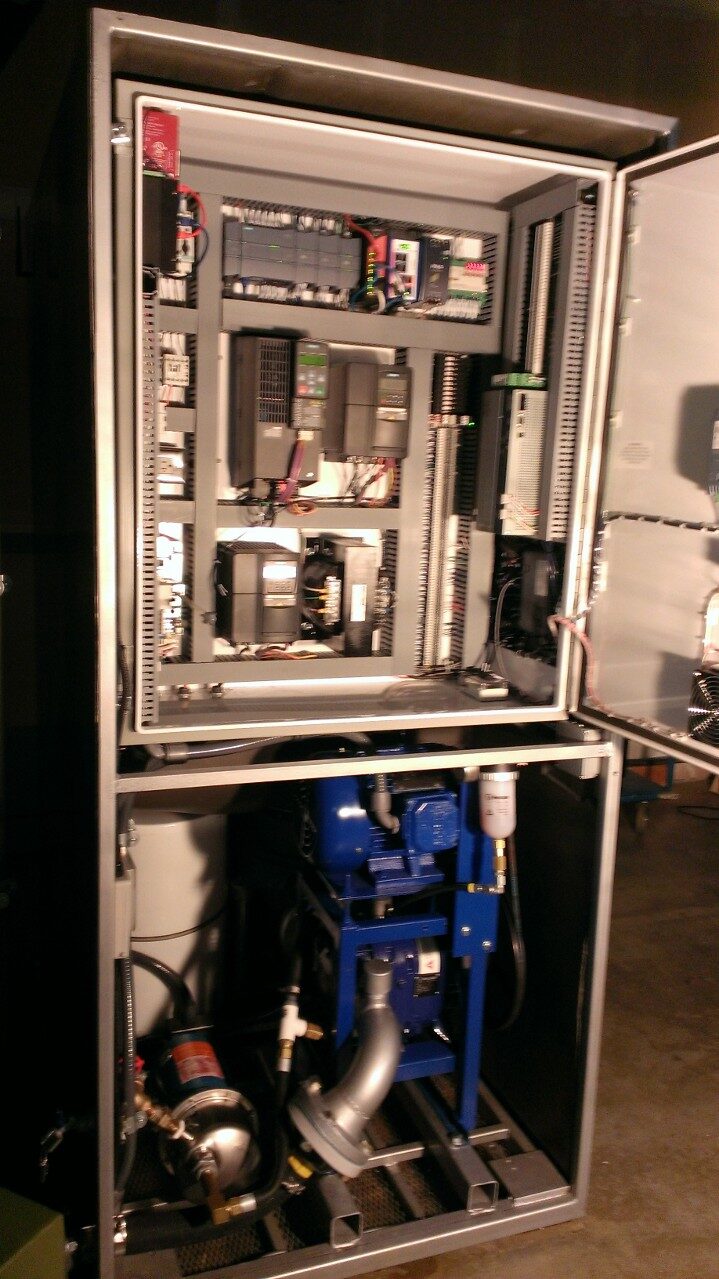
Night welding on the stainless enclosure.Crane-lift delivery at an install site.Inside: the controls panel and pump bay.The third-generation design — my build, at a $70k cost.Fabricating the enclosure shell.Deployed behind a grocery store.
 Space Campers